How decades of policy failures created Bangladesh’s power crisis

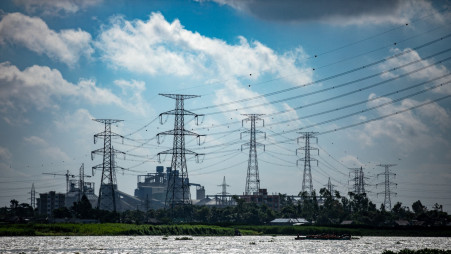
Dhaka does not go dark because Bangladesh lacks power. It goes dark because of three decades of policy failures, costly contracts, underinvestment and missed opportunities. This month Bangladesh’s energy shortfall peaked above 3,500 megawatts in a single day, and rural households are enduring 10 to 12 hours without electricity — worse than the fuel shock … Read more…

Bangladesh and the global crisis of environmental injustice: When the powerful declare nature the enemy

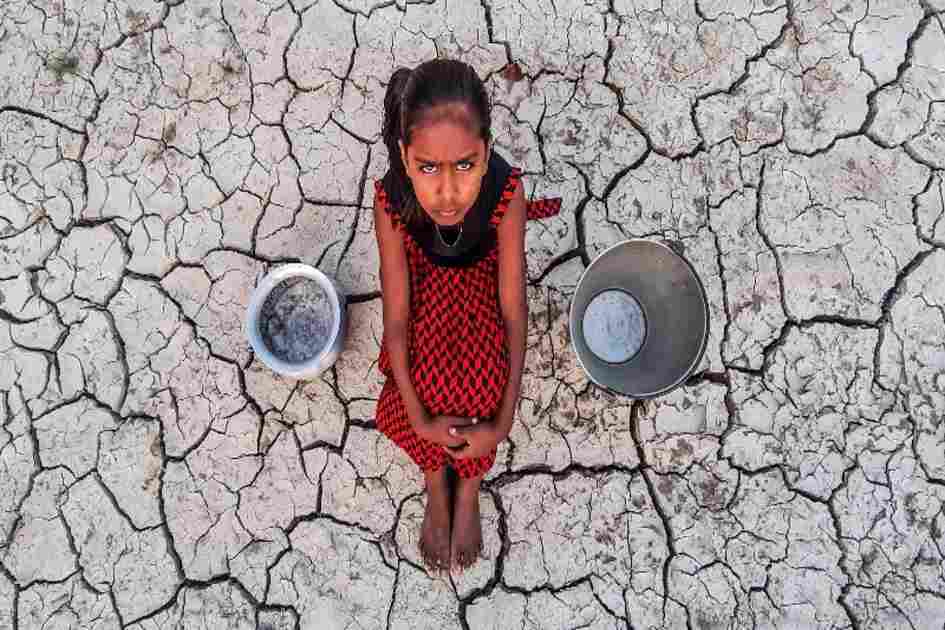
Bangladesh offers the world one of the starkest lessons in environmental injustice available today. Contributing less than 0.5 percent of global greenhouse gas emissions, it faces consequences disproportionate to any nation of comparable size – accelerating sea level rise, intensifying cyclones, riverbank erosion displacing tens of thousands annually, and saltwater intrusion that is quietly destroying … Read more…

Himalayan Debris Flow and Future Climate Risks

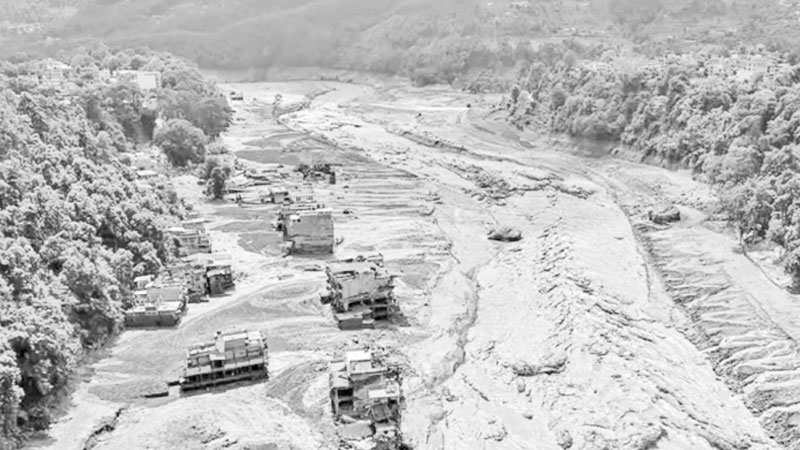
The sequence of catastrophic disaster events following a glacier collapse on Nepal’s northern border has sparked fresh, deep concern among environmentalists, geologists, and environmental scientists. Although it may initially appear to be a sudden local flood or landslide, in reality, it is not a single ordinary natural event. Rather, it is a dreadful and sequential … Read more…

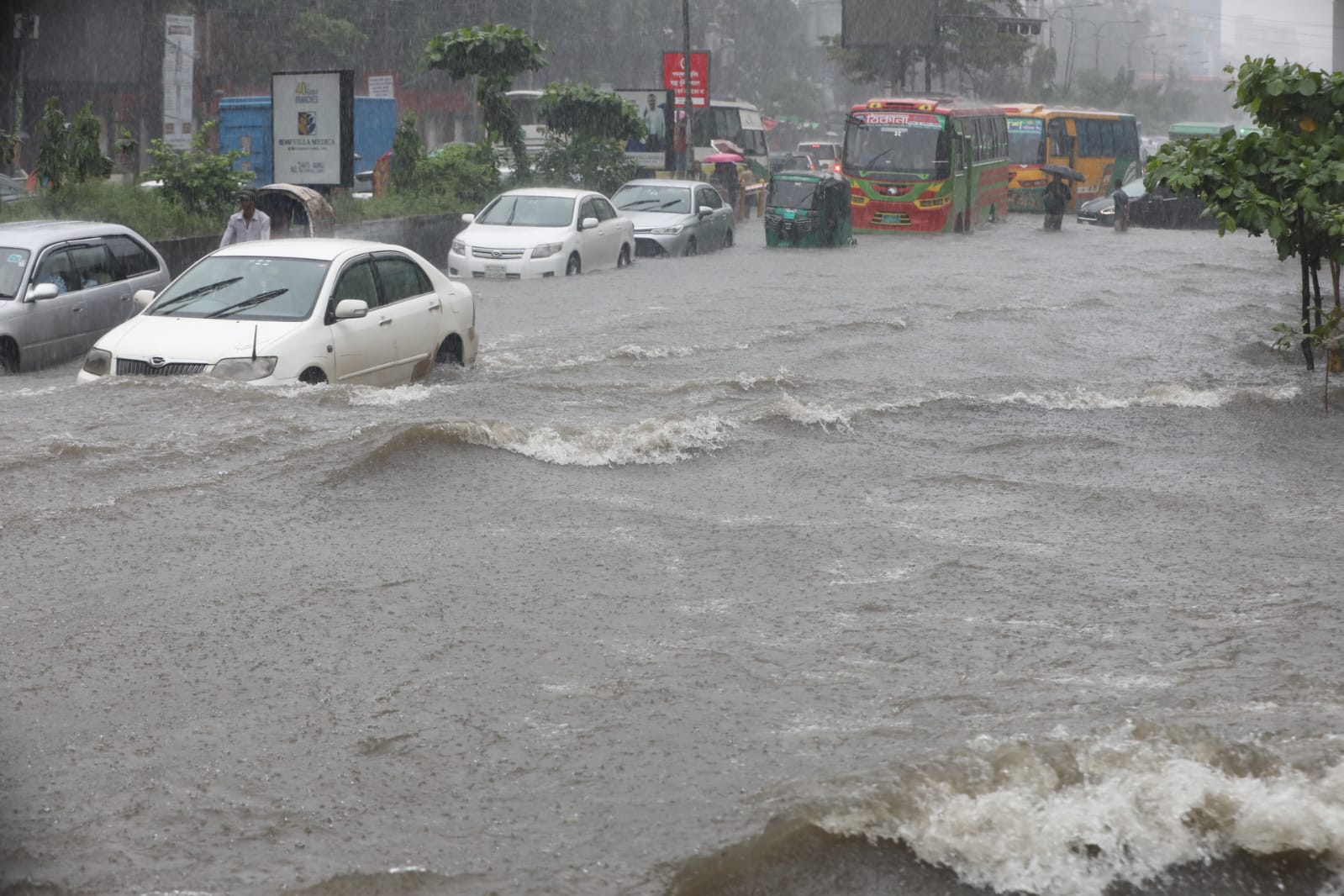
Why Dhaka’s waterlogging crisis has little to do with heavy rain

Recent flooding in greater Chattogram and the Hill Tracts districts has caused many deaths and severe economic hardship for millions. At the same time, Dhaka City’s residents are recovering from yet another waterlogging incident that paralysed the city. In recent years, waterlogging following average rainfall has become part of daily life for the city’s residents. … Read more…

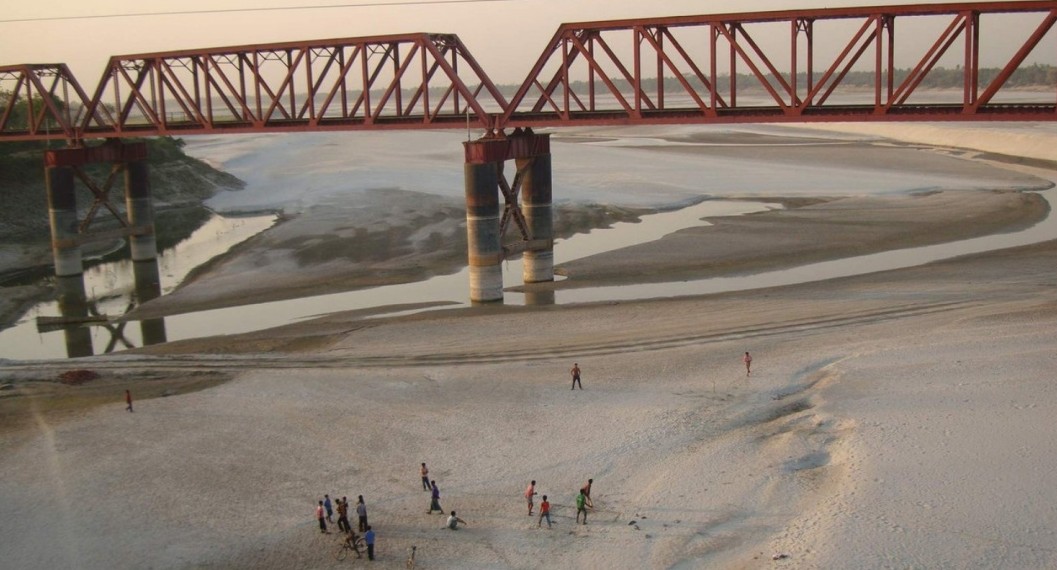
Renewing the Ganges Water Sharing Treaty: What should Bangladesh do?

The 30-year Ganges Sharing Treaty (GST), signed on 12 December 1996, is about to expire and needs to be renewed. Reaching an agreement on such a contentious issue, however, requires proper preparation. How well is Bangladesh doing in this regard? The initiative has to come from Bangladesh because, in the absence of a treaty, India … Read more…

The Invisible Plastic Threat to Bangladesh

Plastic particles smaller than five millimeters are called microplastics. They have emerged as one of the most persistent environmental and public health concerns of the twenty-first century. They come from two major sources as known primary microplastics and secondary microplastics. Primary microplastics are manufactured at microscopic sizes for products such as cosmetic microbeads, while secondary … Read more…

BAPA Urges Water Ministry to Rethink Major River Projects

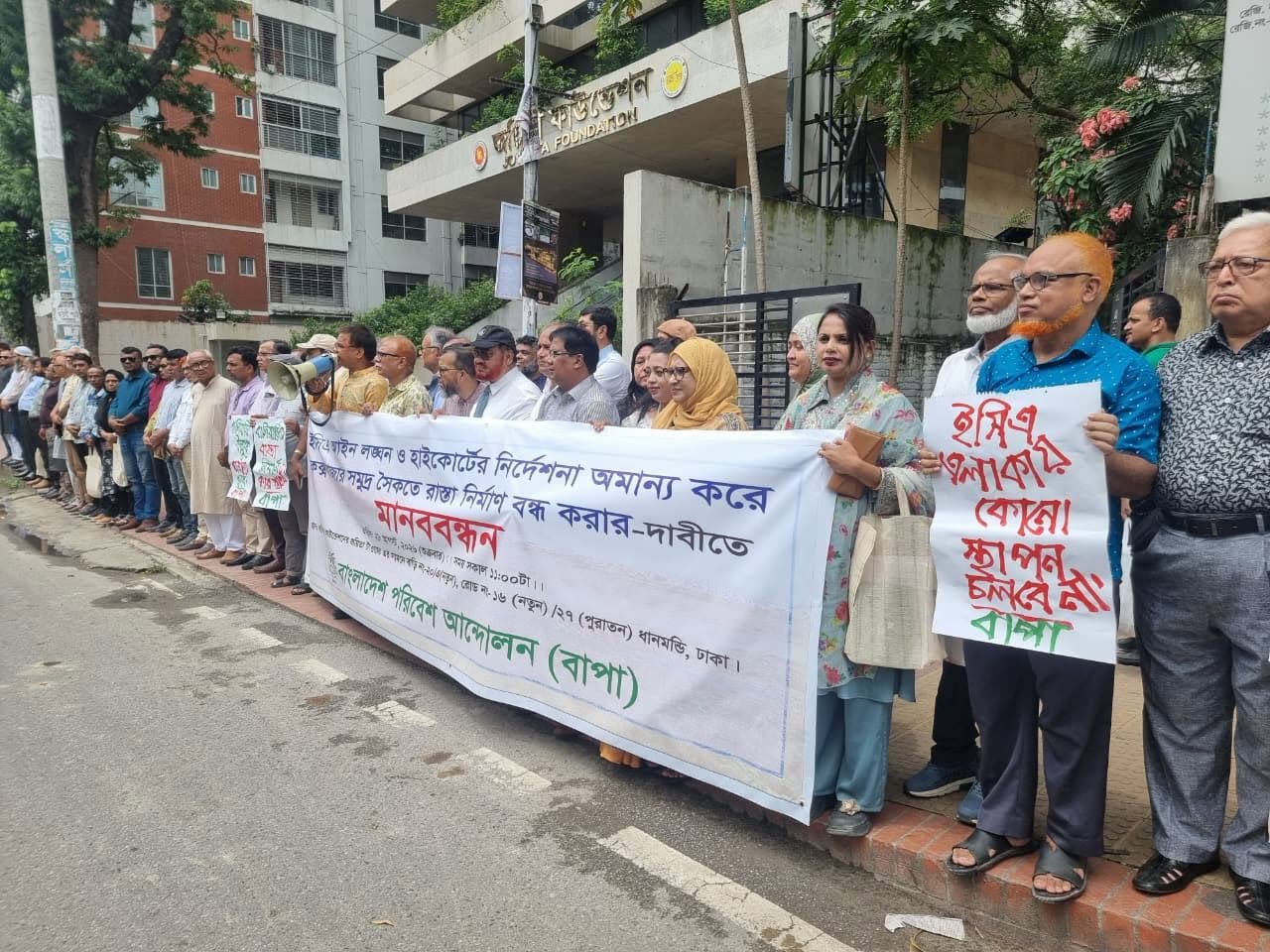
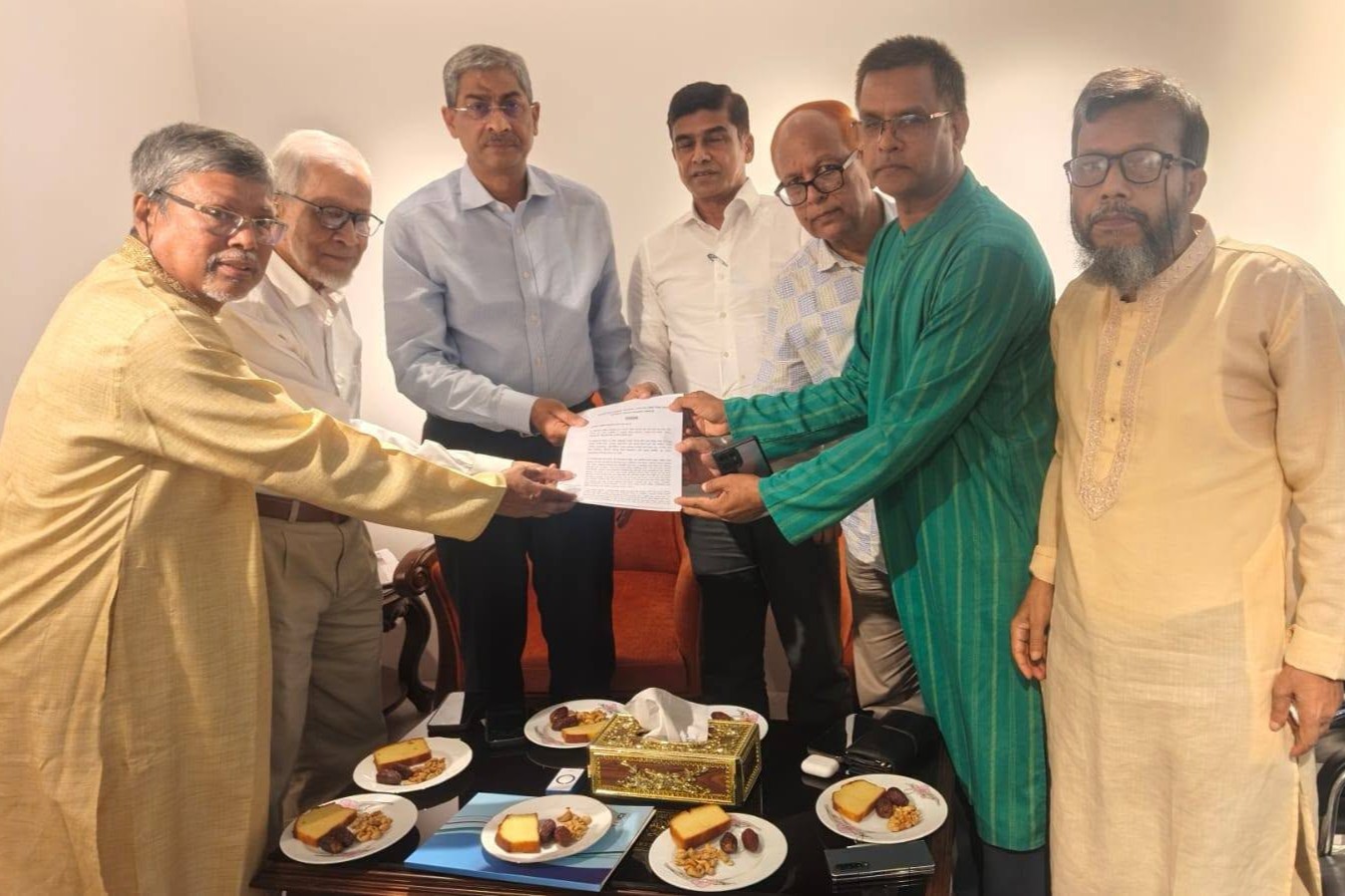
A high-level delegation from Bangladesh Poribesh Andolon (BAPA) met Water Resources Minister Md. Shahiduddin Chowdhury Annie, MP, and State Minister Farhad Hossain Azad, MP, at the Bangladesh Secretariat on July 27, 2026, to discuss Bangladesh’s worsening river and water management crisis. Led by BAPA President Dr. Nur Mohammad Talukder, the delegation raised concerns over river … Read more…

BAPA Calls for Coordinated Action to Solve Dhaka’s Waterlogging

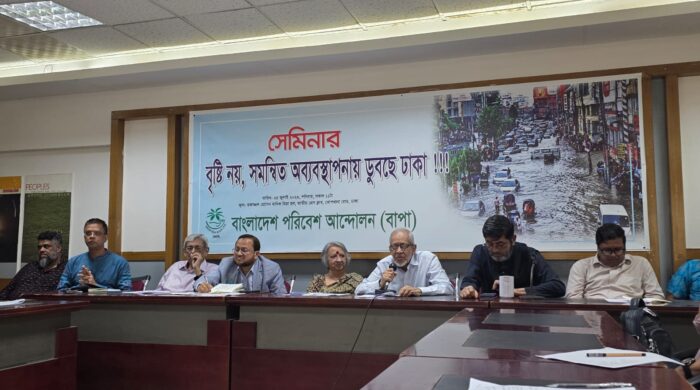
Dhaka’s severe monsoon waterlogging is largely the result of institutional mismanagement, unplanned urbanization, and the destruction of natural water bodies and drainage channels, experts said at a seminar organized by the Bangladesh Poribesh Andolon (BAPA) at the Jatiya Press Club. Titled “Dhaka Is Drowning Not Because of Rain, but Due to Coordinated Mismanagement,” the seminar … Read more…