
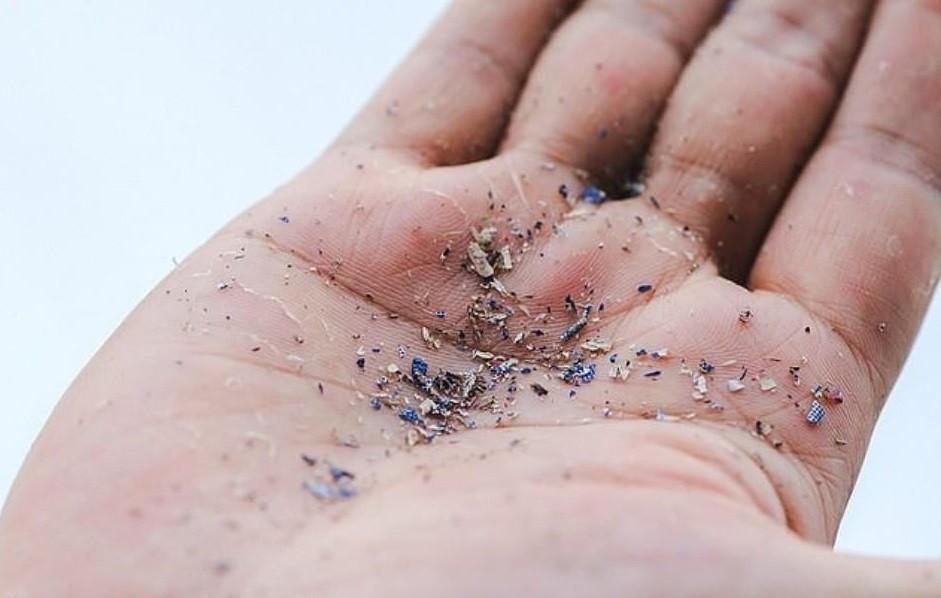
Plastic particles smaller than five millimeters are called microplastics. They have emerged as one of the most persistent environmental and public health concerns of the twenty-first century. They come from two major sources as known primary microplastics and secondary microplastics. Primary microplastics are manufactured at microscopic sizes for products such as cosmetic microbeads, while secondary microplastics form when larger plastic materials break down through mechanical abrasion, biological activity, and ultraviolet radiation (Nawar et al., 2026). Made largely from durable synthetic polymers such as polyethylene, polypropylene, and polyvinyl chloride, these particles can persist in the environment for extended periods. Their small size and weathered, irregular surfaces also allow them to act as carriers of contaminants. Microplastics can adsorb heavy metals, persistent organic pollutants, and microorganisms from surrounding environments, potentially increasing the toxicity of the particles before they enter living organisms.
Microplastics are now found across air, water, and soil. From these environments they enter food webs and eventually the human body mainly through inhalation of contaminated dust and consumption of polluted food and water. Once inhaled or ingested some particles may cross biological barriers and accumulate in tissues. Studies have reported microplastics in human lungs, hearts, digestive systems, blood, and breastmilk (Nini, 2026). Exposure has been associated with oxidative stress, inflammation, and possible neurotoxic effects while contaminated particles may also transport heavy metals and microorganisms into the body.
Bangladesh is particularly vulnerable to this growing crisis. More than two decades ago, Bangladesh restricted polythene bags as a major achievement of the BAPA–BEN environmental movement, yet rapid urbanization, population growth, high consumption of single-use plastics, and weaknesses in municipal waste management have allowed plastic pollution to expand considerably. Bangladesh is now among the world’s major contributors to marine plastic pollution. An estimated 25,000 tons of plastic waste from the country enter the ocean each year reflecting both the scale of consumption and the limitations of existing collection, recycling, and waste-management systems (TBS, 2025). Much of this unmanaged plastic eventually becomes a source of secondary microplastics, creating a pollution pathway that extends from urban environments to coastal ecosystems and the food chain.
Road-dust studies conducted in Dhaka and surrounding industrial and peri-urban areas have identified substantial microplastic contamination, with polypropylene and polyethylene among the dominant polymers. Vehicular activity, industrial emissions, and poorly managed plastic waste are important contributors (Rana et al., 2025). Industrial areas show particularly high concentrations where heavy traffic and manufacturing activities accelerate the fragmentation and redistribution of plastic materials. This creates an additional inhalation risk for children especially. Their higher respiratory rates and frequent hand-to-mouth behavior can increase exposure through both inhalation and accidental ingestion.
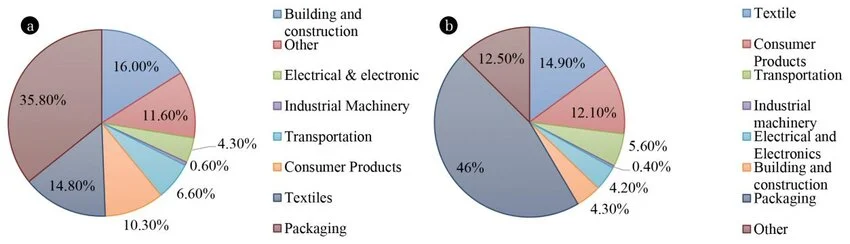
Recent investigations have identified high concentrations of primary microplastics, including polyethylene microbeads, in commonly used toothpaste, cosmetics, and facial scrubs in Bangladesh. These particles are designed to be washed away. However, they can pass through wastewater systems that are not adequately equipped to remove them once discharged eventually entering rivers and other aquatic environments. Several countries including the United States have introduced restrictions on microbeads in rinse-off cosmetics. Bangladesh does not yet have comparable specific legislation targeting their use which leaves a potential pathway for these persistent pollutants to enter aquatic ecosystems on a continuing basis.
Bangladesh’s extensive river network provides another route from land-based pollution to the coast. Microplastics transported through rivers can accumulate in coastal waters and sediments where they interact with marine organisms and sensitive ecosystems. Research has found substantial microplastic contamination in sediments around the Coxs Bazar high-tide line and in nearshore surface waters with fibrous particles accounting for a large proportion of the detected material (Nawar et al., 2026). These fibers may originate from tourism-related waste, synthetic fishing gear, and maritime activities.
Bangladesh depends heavily on fisheries and aquaculture making contamination of aquatic food systems a particularly important concern. Fish living in polluted waters and sediments can ingest microplastics and potentially transfer them through the food chain. Studies have detected microplastics in both wild-caught and farmed fish, including widely consumed species such as rohu, catla, and several estuarine fish (Tareq, 2026). More concerning is the detection of particles beyond the digestive tract and gills including in edible tissues. Aquaculture may add another layer to the problem as fish feed has also been reported to contain substantial quantities of microplastic particles creating a cycle in which contamination can move from feed to fish and ultimately to consumers.
There remains a significant gap between the growing body of global microplastic research and the development of practical interventions for vulnerable populations in low and middle income countries including Bangladesh (Hassan & Nohor, 2025). High income countries dominate microplastic research while South Asia needs more localized studies to understand its public-health impacts. Bangladesh must strengthen its solid waste and wastewater management while regulating single-use plastics and microbeads as well as expanding recycling and raise public awareness because microplastics are spreading through everywhere being nearly invisible and posing growing risks to public health.
References
Hassan, M. M., & Nohor, N. (2025). Bridging the microplastics-public health research gap: A call for translational action in vulnerable populations. Health Science Reports, 8(1), e71050.
Nawar, A., Shahrukh, S., Sadia, M. M., Miazi, R., Jashim, Z. B., Yasmin, F., Sultana, G. N. N., Moniruzzaman, M., & Hossain, M. E. (2026). Microplastic pollution in coastal Cox’s Bazar, Bangladesh: Quantification, distribution, and characteristics. Journal of Hazardous Materials: Plastics, 2, 100037.
Mosharof, Md. (2025). The Current Situation of Microplastics and Future Research in Bangladesh. 10.13140/RG.2.2.15500.17287.
Nini, U. N. (2026). Are microplastics in toothpaste our only concern? The Financial Express. Retrieved from https://thefinancialexpress.com.bd/reviews/are-microplastics-in-toothpaste-our-only-concern
Rana, M. S., Wang, Q., Suzuki, M., Wang, W., Enyoh, C. E., Islam, M. R., & Maduka, T. O. (2025). Pollution sources, distribution, and health risks of microplastic in road dust of industrial, peri-urban areas and capital city of Bangladesh. Microplastics, 4, 73.
Tareq, S. M. (2026). Are we eating microplastics with our fish? The Daily Star. Retrieved from https://www.thedailystar.net/slow-reads/unheard-voices/news/microplastics-bangladeshs-fish-growing-threat-public-health-4237161
TBS. (2025, November 1). Rising microplastic risks in Bangladesh: Is weak waste management behind it? The Business Standard. Retrieved from https://www.tbsnews.net/explainer/rising-microplastic-risks-bangladesh-weak-waste-management-behind-it-1274511