
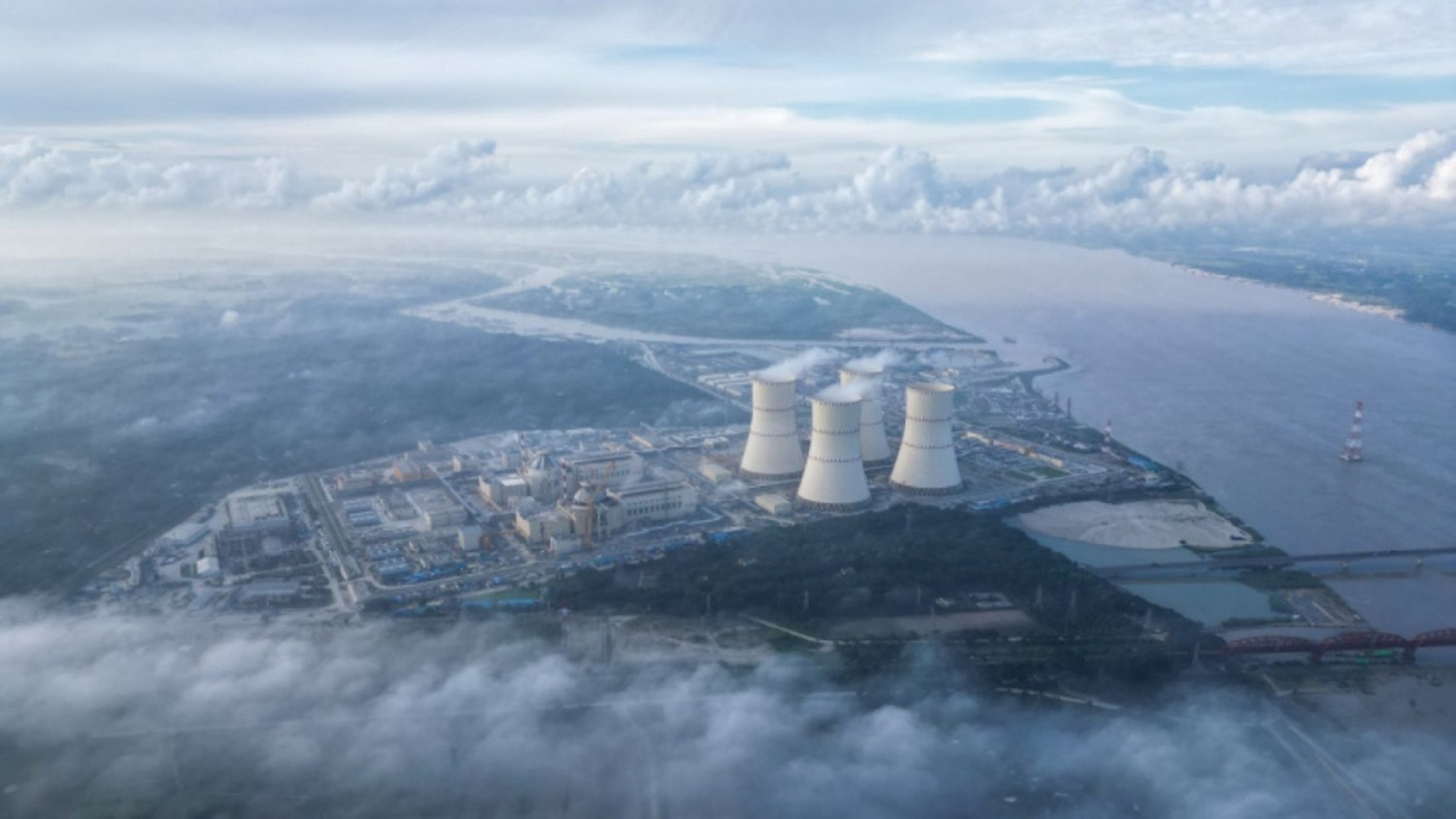
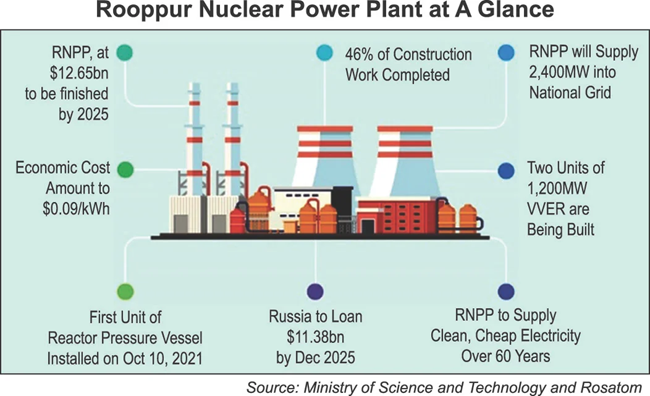
Bangladesh recently initiated a significant energy transition by commencing uranium fuel loading at the Rooppur Nuclear Power Plant. Authorities marked this event on April 28 2026 as the first unit received 163 nuclear fuel assemblies. The facility utilizes two Russian designed Generation III+ VVER-1200 reactors to produce a combined 2400 megawatts of electricity (Topu & Rahman, 2026). This step positions the nation as the third South Asian country to harness nuclear energy. Project stakeholders expect the loading process to take up to 45 days before achieving minimum controlled power levels.
The technical progression from fuel loading to commercial generation requires rigorous testing and phased capacity scaling. Engineers will gradually increase reactor thermal power through consecutive stages of 3 to 30 percent capacity over several months. This deliberate pilot operation verifies emergency core cooling systems and turbine synchronization before full grid integration. Reaching the initial criticality stage allows operators to identify potential anomalies at low thermal power. The plant should theoretically supply 300 megawatts to the national grid by August 2026 before reaching full operational status late next year (TBS, 2026).
Project delays have introduced substantial economic challenges despite the promise of long term energy security. The initial timeline projected the first unit to operate in 2023 but geopolitical conflicts and logistical hurdles caused severe delays. These setbacks increased the total project expenditure from 1.13 trillion taka to approximately 1.39 trillion taka due to currency depreciation and extended maintenance costs. The nation also faces daily interest penalties of 100 to 120 million taka paid to the Russian contractor Rosatom (Islam, 2026). Nuclear engineering experts argue that commissioning a single unit earlier could have saved the country one billion dollars annually in fossil fuel imports.
Integrating a massive nuclear power source into an existing electrical network poses severe grid stability risks. A single reactor injecting 1200 megawatts requires an incredibly robust transmission infrastructure to prevent cascading network failures. Physics experts warn that sudden fluctuations in nuclear power output can easily destabilize grids lacking adequate spinning reserves (IANS 2026). The transmission line infrastructure was incomplete for a long period but authorities recently finalized three major grid connections spanning 370 kilometers. Scientists remain concerned about whether the national power grid can safely balance the massive baseload supply alongside intermittent energy demands (BEN, 2026).
Operating a nuclear facility demands an uncompromising safety culture and a highly trained domestic workforce. The Rooppur project incorporates passive safety systems like core catchers and double containment structures to withstand extreme external impacts. However mechanical safety must be matched by meticulous human resource management and operational transparency. The International Atomic Energy Agency recently noted several shortcomings regarding safety culture practices during a pre safety evaluation (Islam, 2026). Academic observers emphasize that Bangladesh must urgently develop independent regulatory bodies and retain skilled scientific personnel to mitigate long term operational risks.
The Rooppur project establishes deep structural dependencies that will influence regional geopolitics for decades. Bangladesh relies entirely on Russia for reactor technology and fuel supply and spent fuel repatriation (Karmaker 2026). This financial and technical reliance binds the energy future of Bangladesh to Russian strategic interests amid shifting global alignments. The government must build strong domestic institutions to eventually reduce this foreign dependency and manage the complex technological ecosystem independently. Successfully navigating these multifaceted challenges will determine if this massive infrastructure investment can secure a stable and sustainable energy future for the nation.
References
BEN. (2026). Experts question the readiness and safety of nuclear energy in Bangladesh. Bangladesh Environment Network. Retrieved from https://ben-global.net/experts-question-the-readiness-and-safety-of-nuclear-energy-in-bangladesh/
The Hans India. (2026). Dhaka expert sounds note of caution on Bangladesh nuclear power plant report. The Hans India. Retrieved from https://www.thehansindia.com/news/international/dhaka-expert-sounds-note-of-caution-on-bangladeshs-nuclear-power-plant-report-1059855
Islam, M. S. (2026). Rooppur nuclear power plant whos responsible for the delays cost overruns and mismanagement. Prothom Alo. Retrieved from https://en.prothomalo.com/opinion/op-ed/fy3a91mkhi
Karmaker, K. (2026). Bangladesh enters the nuclear age Rooppur strategic moment in a shifting South Asian order. The Borderlens. Retrieved from https://www.borderlens.com/2026/04/30/bangladesh-enters-the-nuclear-age-rooppurs-strategic-moment-in-a-shifting-south-asian-order/
TBS (2026). Fuel loading begins at Rooppur power plant. The Business Standard. Retrieved from https://www.tbsnews.net/bangladesh/energy/fuel-loading-begins-rooppur-bangladesh-enters-nuclear-power-era-1423891
Topu, A. H. K., & Rahman, A. (2026). Bangladesh enters nuclear energy era. The Daily Star. Retrieved from https://www.thedailystar.net/news/bangladesh/news/bangladesh-enters-nuclear-energy-era-4162461