
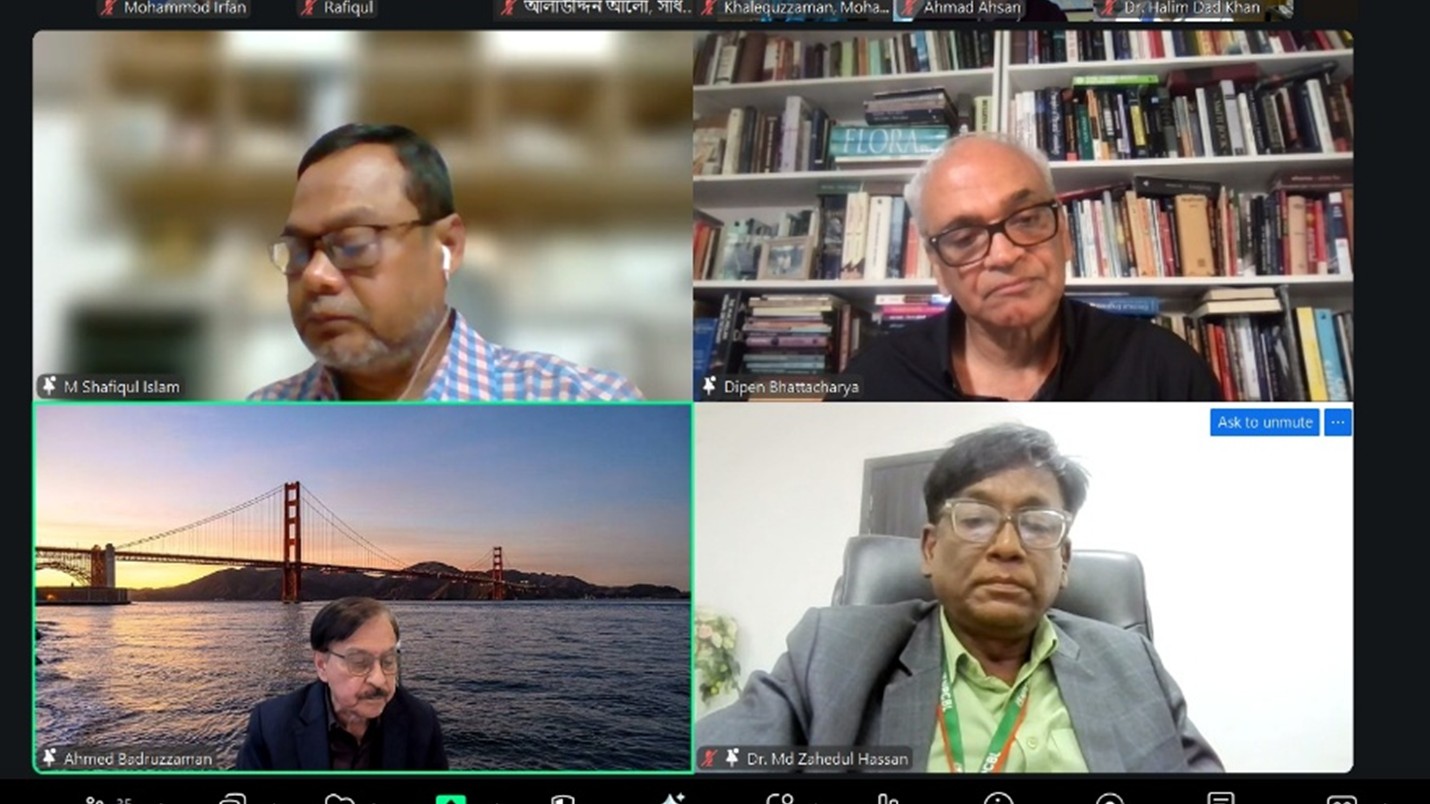
Bangladesh Environment Network (BEN) had their nineteenth webinar on March 28th 2026 focusing on the critical and highly debated topic of nuclear energy in Bangladesh. The discussions happened through a series of detailed expert presentations followed by an intense interactive question and answer session. Moderated by Dr. Dipen Bhattacharya the webinar brought together leading professionals to dissect whether the nation is genuinely prepared for the monumental responsibilities of operating a commercial nuclear facility. As the country faces a severe energy crisis and rapidly depleting natural gas reserves the conversation quickly shifted from basic energy needs to profound questions regarding public safety environmental resilience and national infrastructure surrounding the upcoming Rooppur Nuclear Power Plant.
Dr. Ahmed Badruzzaman opened the discussion by evaluating the national quest for a reliable energy fix. While acknowledging the low carbon footprint of nuclear energy he posed several vital questions that demand transparent answers before the project proceeds. He pointedly asked if the authorities had conducted a comprehensive post Fukushima reassessment for the Rooppur Nuclear Power Plant site which is located in a densely populated region near the Padma River. A major question he raised was how the government plans to evacuate millions of local residents in the event of a catastrophic failure since no credible evacuation plan has been publicly shared. Furthermore he challenged the audience by asking if Bangladesh truly possesses the ingrained culture of safety required to run a nuclear plant emphasizing that real safety relies on human behavior and transparency rather than just advanced engineering gadgets.
Responding directly to these pressing questions Dr. Md. Zahedul Hassan outlined the technical safeguards and operational readiness of the project. Defending the facility he explained that the Rooppur Nuclear Power Plant utilizes Russian designed Generation Three Plus VVER reactors equipped with robust features intended to prevent disasters. He addressed the safety questions by highlighting the installation of a massive core catcher and double containment structures designed to withstand earthquakes and plane strikes. Answering concerns about radioactive waste he assured the panel that a formal government to government agreement ensures the Russian Federation will take back all spent nuclear fuel. When asked about the environmental impact on the Padma River he clarified that the plant utilizes a closed loop cooling system that extracts only a minuscule fraction of the river flow to prevent ecological damage.
Adding a crucial academic and economic perspective Dr. Md. Shafiqul Islam shifted the focus to the broader institutional challenges of the nuclear program. He raised another set of incredibly important questions regarding national infrastructure and modern security. He asked how the national electrical grid will manage the integration of a massive twelve hundred megawatt single unit highlighting the severe risk of grid instability and national blackouts if sufficient spinning reserves are not maintained. He also questioned the national preparedness against contemporary security threats including insider sabotage and sophisticated cyber attacks. To address these vulnerabilities he strongly advocated for the establishment of an entirely independent regulatory body that is completely separate from the organizations promoting the nuclear agenda.
The interactive dialogue that followed the presentations brought even more tough questions from the scientific diaspora to the forefront. Participants urgently asked what the contingencies are if geopolitical tensions prevent the export of spent fuel back to Russia or what the true long term financial burden of plant decommissioning will ultimately be. They also questioned how the Rooppur Nuclear Power Plant project management plans to improve public transparency and community engagement moving forward. Ultimately the nineteenth BEN webinar underscored that while nuclear technology promises immense power it leaves absolutely no room for error. The experts concluded that openly confronting and answering these difficult questions is the only path to securing a safe sustainable and prosperous energy future for the nation.
