


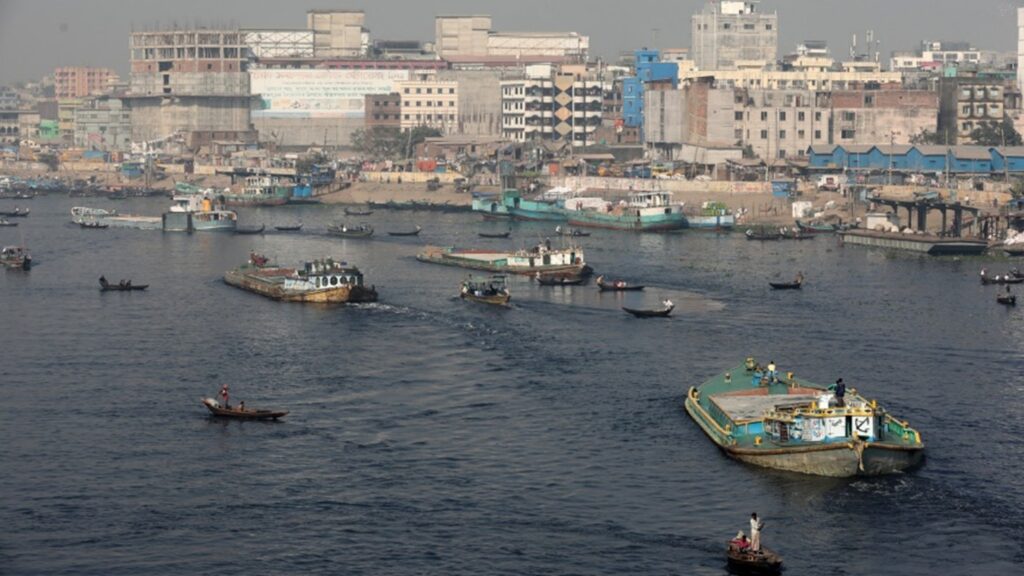
Bangladesh faces a severe environmental and public health crisis as its water bodies become heavily contaminated with hazardous industrial and agricultural waste. The rapid expansion of the textile industry alongside unplanned urban development has transformed rivers and lakes into dumping grounds. Recent scientific investigations have revealed alarming concentrations of per and polyfluoroalkyl substances commonly known as forever chemicals as well as hundreds of other micropollutants in the surface water and drinking water of the country. These chemicals resist degradation and accumulate in the environment to pose severe threats to both human health and local ecosystems.
A study published in May 2024 by the Environment and Social Development Organization and the International Pollutants Elimination Network highlighted the profound impact of the textile industry on water quality. Researchers analyzed water samples from areas surrounding major textile manufacturing hubs in Dhaka including the Dhaka Export Processing Zone and the Adamjee Export Processing Zone. The findings showed that 87 percent of the surface water samples contained these forever chemicals. Furthermore 58 percent of the samples contained specific substances that are slated for global elimination under the Stockholm Convention. The study found that 61 percent of the tested surface waters exceeded the proposed European Union regulatory limits for these chemicals (Hossain S., 2024).

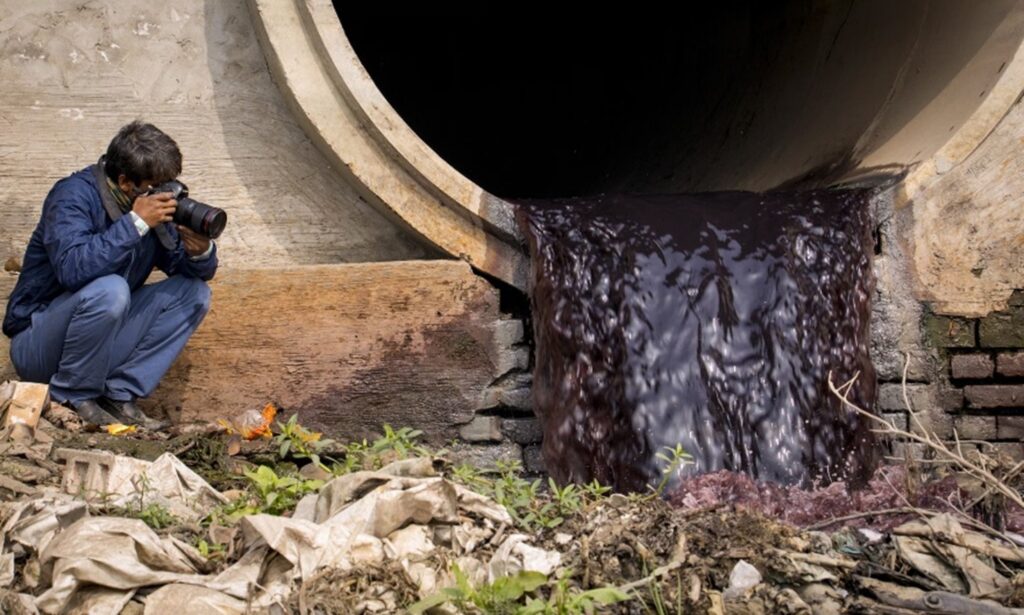
The concentrations discovered in some waterways were staggeringly high. Water taken from the Karnatali River in Savar contained levels of forever chemicals more than 300 times above the proposed European Union limits. This specific sample held concentrations of perfluorooctane sulfonate that were more than 54000 times higher than the advisory limits set in the Netherlands (Johnson, 2024). Another sample collected in 2022 from Hatirjheel Lake in the capital revealed perfluorooctane sulfonate levels 185 times higher than the Dutch advisory level (Hossain S., 2024). Alarmingly the contamination has also breached the drinking water supply. Three out of four tap water samples tested in the 2024 study contained these chemicals at levels exceeding the regulatory limits of the United States (Hossain et al., 2024).
The pollution crisis was shown to be even more extensive by late 2025. Researchers presented new findings at a seminar at Sher e Bangla Agricultural University detailing the widespread presence of various micropollutants across the country. This broader analysis examined 71 water samples and 23 fish samples alongside 16 drinking water samples from the Dhaka Water Supply and Sewerage Authority and commercial bottled water. The research team identified over 200 pesticides and more than 300 pharmaceutical and personal care products along with 16 distinct types of forever chemicals. Surface waters were found to contain pharmaceuticals at concentrations up to 100000 nanograms per liter while pesticide levels reached up to 40000 nanograms per liter. One drinking water sample from the Greater Dhaka area exhibited a forever chemical concentration of 2900 nanograms per liter. Fish samples also displayed significant contamination across all measured categories (agri24.tv, 2025).
The health implications of such profound water contamination are severe. Exposure to forever chemicals is linked to weakened immunity and liver damage as well as certain cancers and adverse effects on fetal development and thyroid hormone function. Public health experts have emphasized the urgent need to raise awareness and halt the use of these substances in industrial areas to protect the population. The ecological damage is equally devastating. Environmental researchers noted that the unregulated discharge of wastewater from dyeing and textile factories has rendered many rivers devoid of fish. This ecological collapse has left local fishermen unemployed for majority of the year and destroyed the agricultural viability of river floodplains. Analysts described the situation as an urban crisis driven by flawed development planning.
References
Haque, A. (2024). Officially too late? Textile industry polluting water with ‘Forever Chemicals’. The Business Standard. Retrieved from https://www.tbsnews.net/features/panorama/officially-too-late-textile-industry-polluting-water-forever-chemicals-865371
Hossain, S. (2024). Cancer-causing ‘forever chemicals’ in Dhaka water sources: Study. The Business Standard. Retrieved from https://www.tbsnews.net/bangladesh/environment/cancer-causing-forever-chemicals-dhaka-water-sources-study-863611
Hossain, S., Strakova, J., Sultana, S., Alam, S. F., Trisha, T. H., Rabbani, G., Brosche, S., Howard, R., and DiGangi, J. (2024). Persistent Threat PFAS in Textiles and Water in Bangladesh. ESDO and IPEN.
Johnson, S. (2024, May 29). Alarming levels of forever chemicals found in water near Bangladesh garment factories. The Guardian. Retrieved from https://www.theguardian.com/global-development/article/2024/may/29/alarming-levels-of-forever-chemicals-found-in-water-near-bangladesh-garment-factories
agri24.tv. (2025, November 16). Dangerous Micropollutants Detected in Bangladesh Waters. agri24.tv. Retrieved from https://www.agri24.tv/english/education/news/1977

