


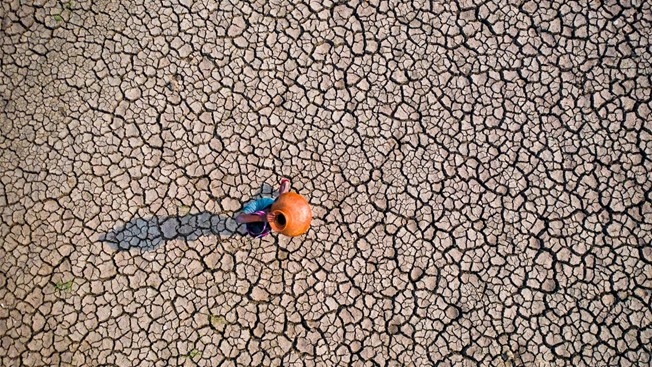
The global climate system is transitioning toward a powerful El Niño event by mid-2026 which will profoundly impact Bangladesh. Observational data indicates a definitive shift away from neutral conditions in the equatorial Pacific Ocean. Sea surface temperatures are rising rapidly to signal the likely onset of El Niño conditions between May and July (World Meteorological Organization, 2026). Multiple climate models are aligned in predicting the early development and intensification of this phenomenon with expectations that it will peak around September (Stockdale, 2026). Climate communicators suggest this system could rival the severe 1998 event to become one of the strongest this century. While this warming alters global atmospheric circulation the meteorological consequences will manifest acutely across South Asia. Bangladesh is positioned at the forefront of these climatic disruptions.
The impending El Niño is fundamentally altering local weather patterns across Bangladesh and neighboring regions by shifting global moisture distribution. The phenomenon moves cloud formation toward the central Pacific which drastically reduces the flow of moisture to South Asia. This atmospheric shift leaves Bangladesh trapped under high-pressure systems that limit rainfall and severely weaken the natural cooling effect of the monsoon. Consequently the Bangladesh Meteorological Department forecasts multiple heatwaves throughout May including severe spells with temperatures ranging between 40 and 44 degrees Celsius (Daily Sun Report, 2026; Dhaka Mail, 2026). A phenomenon known as a heat dome is trapping hot air near the surface which drastically increases the actual felt temperature and elevates the risk of heatstroke (Dhaka Mail, 2026). The traditional pre-monsoon rains known locally as Kalbaishakhi have been notably absent this season due to these suppressed precipitation mechanisms (Dhaka Mail, 2026).
Bangladesh has recently experienced the severe consequences of these climate patterns and experts warn of further deterioration. The country previously endured a continuous 36-day heatwave where temperatures fluctuated between 36 and 42 degrees Celsius across various districts (The Daily Star, 2026). Local meteorologists emphasize that a developing El Niño prior to the monsoon season will significantly weaken rainfall accumulation (Dhaka Tribune, 2026). University of Dhaka disaster science experts explain that the normal supply of oceanic moisture is heavily disrupted which paves the way for prolonged dry spells and potential droughts. If the system continues to intensify during the May and June period the altered precipitation patterns will undoubtedly lead to more frequent heatwaves (The Daily Star, 2026). However isolated heavy rainfall events may still cause temporary water level rises in the northern and northeastern regions (Daily Sun Report, 2026).
These profound climatic shifts create a precarious situation for agricultural security in Bangladesh. Studies found that the El Niño-Southern Oscillation strongly dictates local rainfall and temperature patterns which creates long-term variability in monsoon cycles. The agricultural sector is highly vulnerable to these shifting precipitation patterns and temperature extremes. A severe deficit in monsoon rains threatens widespread crop failures and exacerbates food insecurity. Global rice production also faces an imminent threat as farmers across Asia scale back their planting acreage due to severe weather forecasts and soaring input costs (Reuters, 2026). The impending El Niño is expected to usher in hotter and drier conditions across the region during the latter half of the year. This combination of reduced agricultural inputs and unfavorable weather guarantees tighter food supplies for import-dependent nations.
References
Daily Sun. (2026). Bangladesh to face multiple heatwaves and severe thunderstorms in May. Daily Sun. Retrieved from https://www.daily-sun.com/bangladesh/872644/bangladesh-to-face-multiple-heatwaves-and-severe-thunderstorms-in-may
Dhaka Mail. (2026). মেগা এল নিনো খরা ও রেকর্ড ভাঙা গরমে পুড়তে পারে বিশ্ব. Dhaka Mail. Retrieved from https://dhakamail.com/science/300244
Dhaka Tribune. (2026). Bangladesh likely to see drier monsoon heatwaves as El Niño develops. Dhaka Tribune. Retrieved from https://www.dhakatribune.com/bangladesh/weather/408386/bangladesh-likely-to-witness-drier-monsoon
Reuters. (2026). From surplus to strain World rice supply threatened by Iran war El Nino. Reuters. Retrieved from https://www.reuters.com/world/asia-pacific/surplus-strain-world-rice-supply-threatened-by-iran-war-el-nino-2026-04-30/
Stockdale, T. (2026). How confident should we be in a prediction of El Niño?. European Centre for Medium-Range Weather Forecasts. Retrieved from https://www.ecmwf.int/en/about/media-centre/science-blog/2026/el-nino-2026
The Daily Star. (2026, April 19). এল নিনো আবারও কি ভয়ংকর রূপে ফিরে আসছে কেমন প্রভাব পড়তে পারে বাংলাদেশে. The Daily Star. Retrieved from https://bangla.thedailystar.net/environment/weather/news-3917461
World Meteorological Organization. (2026). WMO Likelihood increases of El Niño. World Meteorological Organization. Retrieved from https://wmo.int/media/news/wmo-likelihood-increases-of-el-nino