


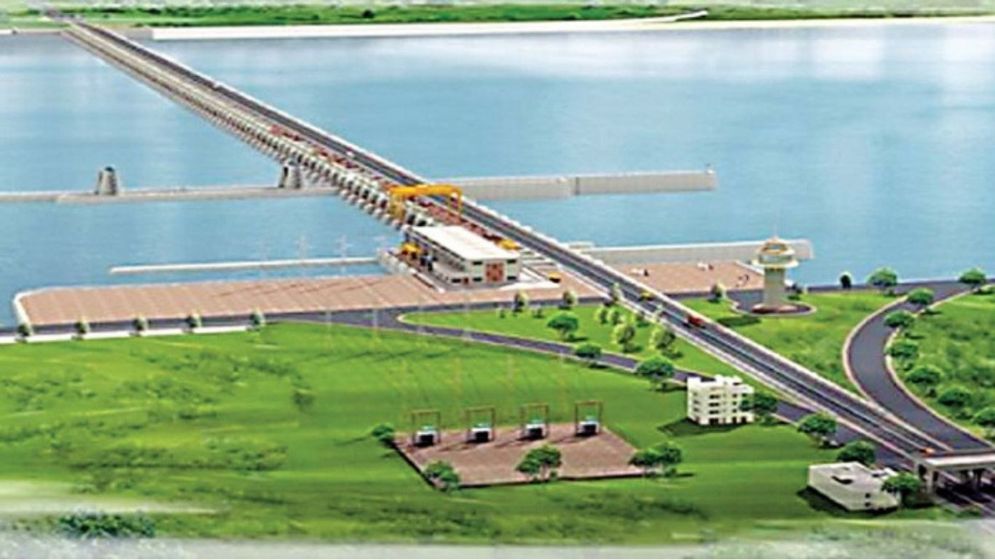
The natural flow of the Padma River has already been altered upstream by various infrastructures, with the Farakka Barrage being a prime example. Even with these disruptions, a certain amount of water and silt still reaches Bangladesh. If this flow is further obstructed by building the Padma Barrage, it will create severe negative impacts internally within Bangladesh. While this is a lengthy topic, I will explain it briefly.
The Padma is primarily a silt-carrying river. Due to the Farakka Barrage, out of the total silt the Padma carries, approximately 328 million tons—some research even suggests nearly 600 million tons—get trapped upstream in India every year. This has led to the formation of numerous shoals (river islands or chars) and massive waterlogging in areas like Malda, Bihar, and Uttarakhand. Conversely, downstream in the Murshidabad district, river erosion has intensified, displacing many people.
If the Padma Barrage is built in Bangladesh following a similar model, the remaining silt that bypasses Farakka will be trapped right behind the new barrage. The riverbed will fill up, leading to the creation of even more shoals. Consequently, severe waterlogging will stretch from upstream of the Padma Barrage all the way to the Indian border, and the river will likely change its course.
The people living downstream of the proposed Padma Barrage—specifically the stretch extending down to Daulatdia—will effectively become victims of two barrages: India’s Farakka Barrage and Bangladesh’s Padma Barrage.
These communities will face worsened river erosion, acute water scarcity, and rising salinity levels down in the Meghna estuary. Furthermore, because the water flow of the Padma will be significantly reduced, the stronger current of the Jamuna River (where they meet near Goalondo/Daulatdia) will dominate. This imbalance in river currents will exponentially increase riverbank erosion in the Daulatdia region.
The general assumption is that the Padma Barrage will solve a multitude of problems regarding agriculture, fisheries, and flood control. However, based on our analysis, it doesn’t seem like it will yield any of these positive results.
Discussing the Padma Barrage right now is also strategically incorrect. The Ganges Water Sharing Treaty with India is set to expire this December. Before even thinking about a new barrage, we need to finalize a new treaty. We need to know exactly what our water share will be—not just for the five dry-season months (January to May), but year-round. We also need to secure guarantee clauses regarding silt management. Only after securing these terms should the design of any barrage even be considered, though I personally oppose the project entirely.
So, why is the government doing this? One major reason is the appeal of a “mega project.” We consistently observe that the government and relevant departments have a vested interest in undertaking massive projects.
Large-scale projects bring large budgets. Those involved often enjoy numerous perks, facilities, and increased salaries. As we know, in Bangladesh, mega projects are frequently accompanied by huge allegations of corruption. A massive budget creates opportunities for large-scale “sharing of the pie.” While I don’t have direct data on this specific project yet, historical trends suggest that the strong interest from government departments often stems from two things: the desire to showcase “success” to both the outside world and the citizens, and the massive financial benefits and budgets that these projects unlock for the people involved.
The information presented here is an English adaptation on the interview of Dr. Md. Khalequzzaman, Global Coordinator, BEN, for The Maasranga TV.