
Environment Newsletter
UN Declares Era of "Global Water Bankruptcy", is Bangladesh Facing Risks?
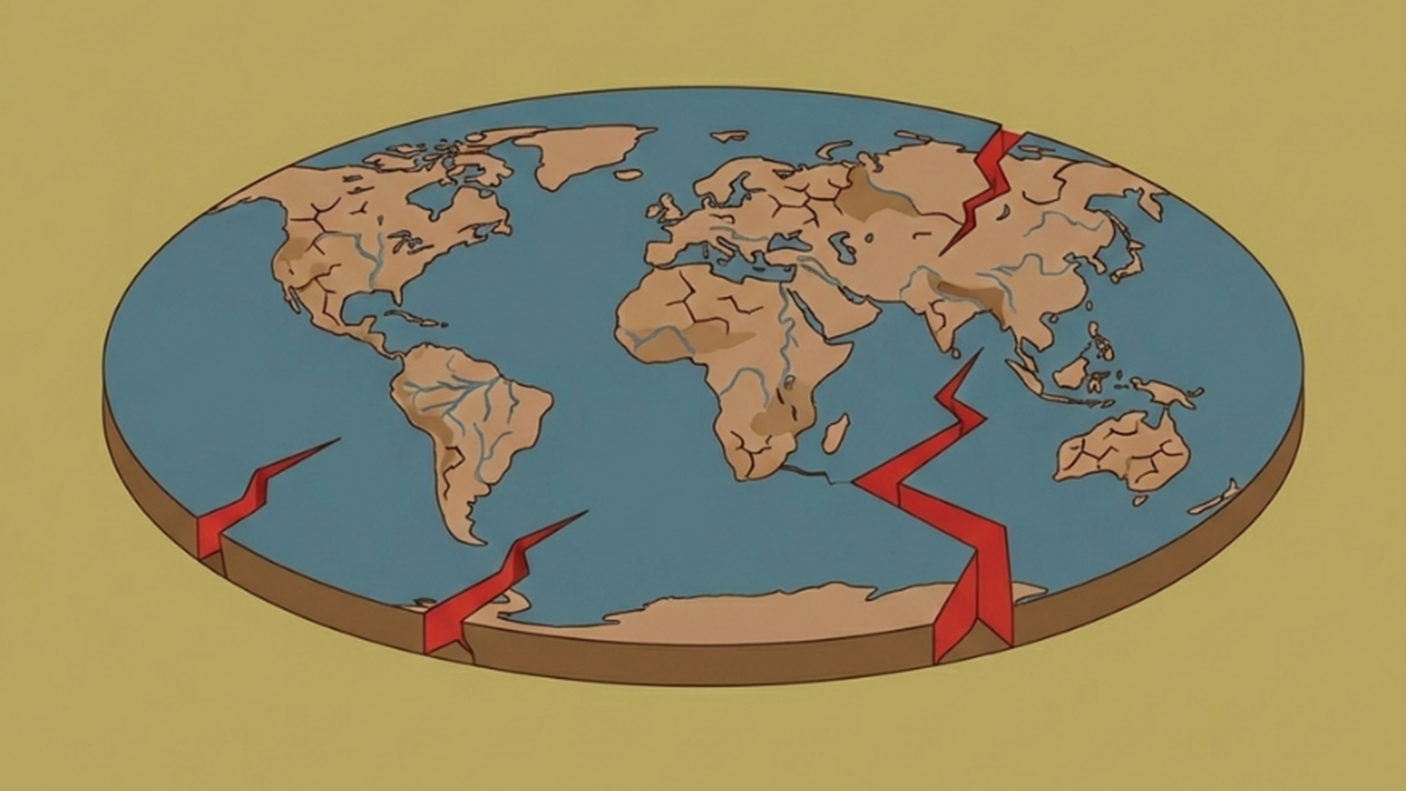
The UNU-INWEH declared "Global Water Bankruptcy" on January 20, 2026, marking a shift beyond recoverable stress to irreversible loss of water capital. Bangladesh exemplifies this crisis, facing convergent failures: world's 6th highest groundwater extraction and transboundary deprivation costing the GBM basin $14.2 billion annually. With Dhaka's water table plunging 2-3m yearly—projected to reach an inaccessible 132m by 2030—and climate salinity threatening agriculture, the livelihoods of 170 million are at risk, demanding urgent transboundary cooperation and domestic reform.
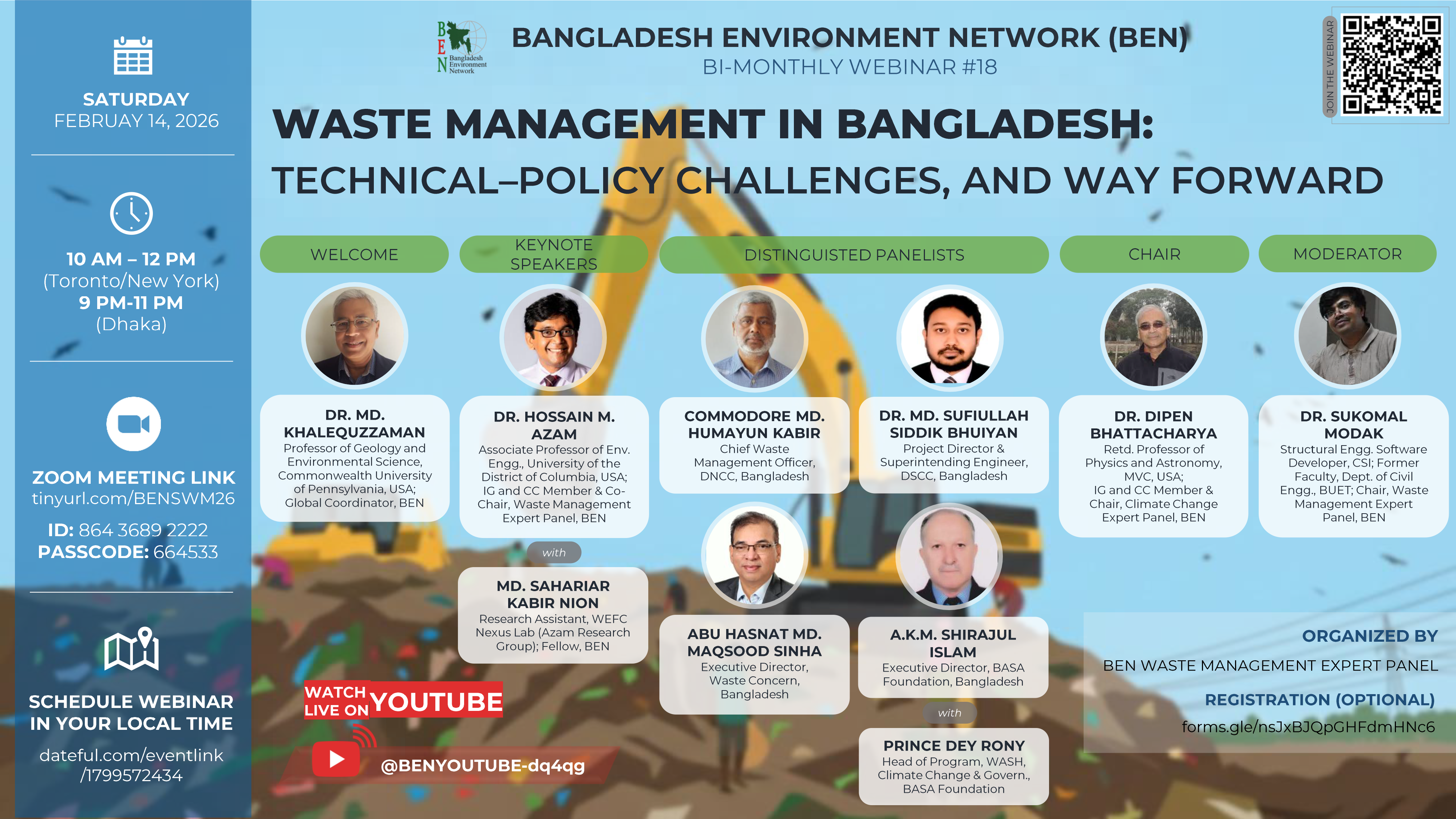
BEN Bi-Monthly Webinar on Waste Management in Bangladesh
BEN's 18th webinar on February 14, 2026, titled "Waste Management in Bangladesh: Technical-Policy Challenges, and Way Forward," addresses persistent policy failures and technical barriers. Featuring experts from UDC, DNCC, DSCC, and Waste Concern, the session explores global best practices and actionable reform pathways.
BAPA-BEN Annual National Conference 2026
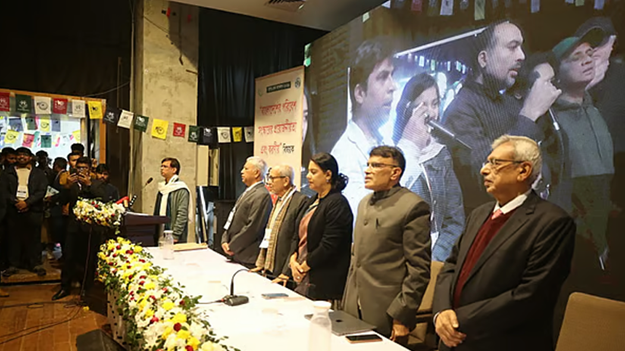
BAPA and BEN Arranged Two Days of National Conference on Environmental Reform
The Bangladesh Poribesh Andolon (BAPA) and Bangladesh Environment Network (BEN) jointly organized the National Conference on Environmental Reforms on January 9–10, 2026, in Dhaka, focusing on institutional and policy reforms to address worsening environmental degradation. Key speakers, including Professor Nazrul Islam and Adviser Syeda Rizwana Hasan, emphasized systemic governance failures, policy implementation gaps, and the urgency of linking environmental reform with electoral accountability. The conference aimed to transform expert recommendations into actionable policies for party manifestos. The closing session, attended by Dr. Wahiduddin Mahmud, reinforced integrating sustainability into national planning, underscoring a state–civil society partnership.
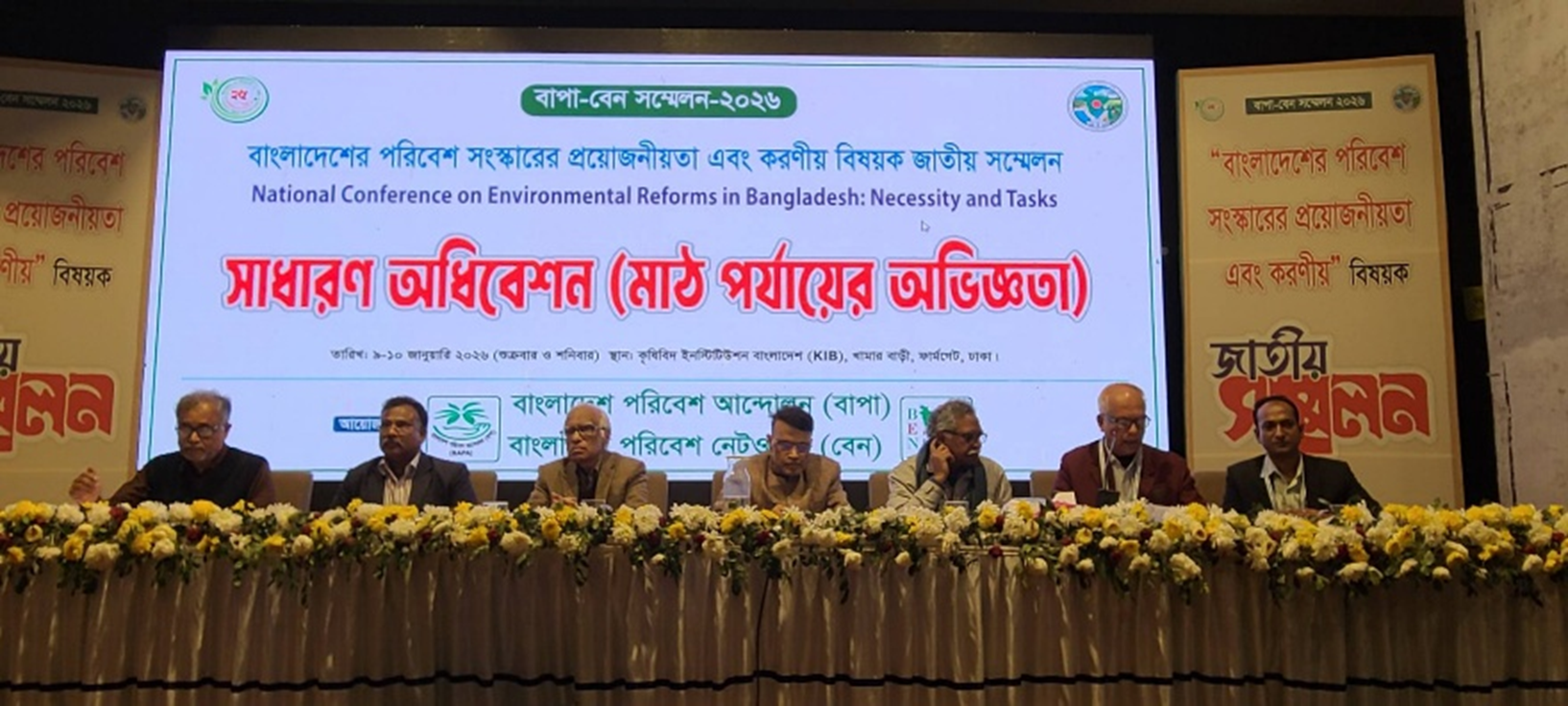
Sessions Overview at the BAPA-BEN National Conference 2026
The "National Conference on Environmental Reforms" (Jan 9-10, 2026, Dhaka) convened scientists, activists, and officials to address Bangladesh's environmental collapse. Keynotes exposed water mismanagement, pollution toxicity, urban biodiversity loss, and transboundary crises like Teesta. Sessions dissected air/noise pollution, wetland degradation, agricultural contamination, and urban planning failures. Grassroots movements highlighted river protection struggles against political-economic barriers. Resolutions demand an Environmental Reform Commission, renewable transition, traffic segregation, and pre-election manifesto commitments for comprehensive governance overhaul.
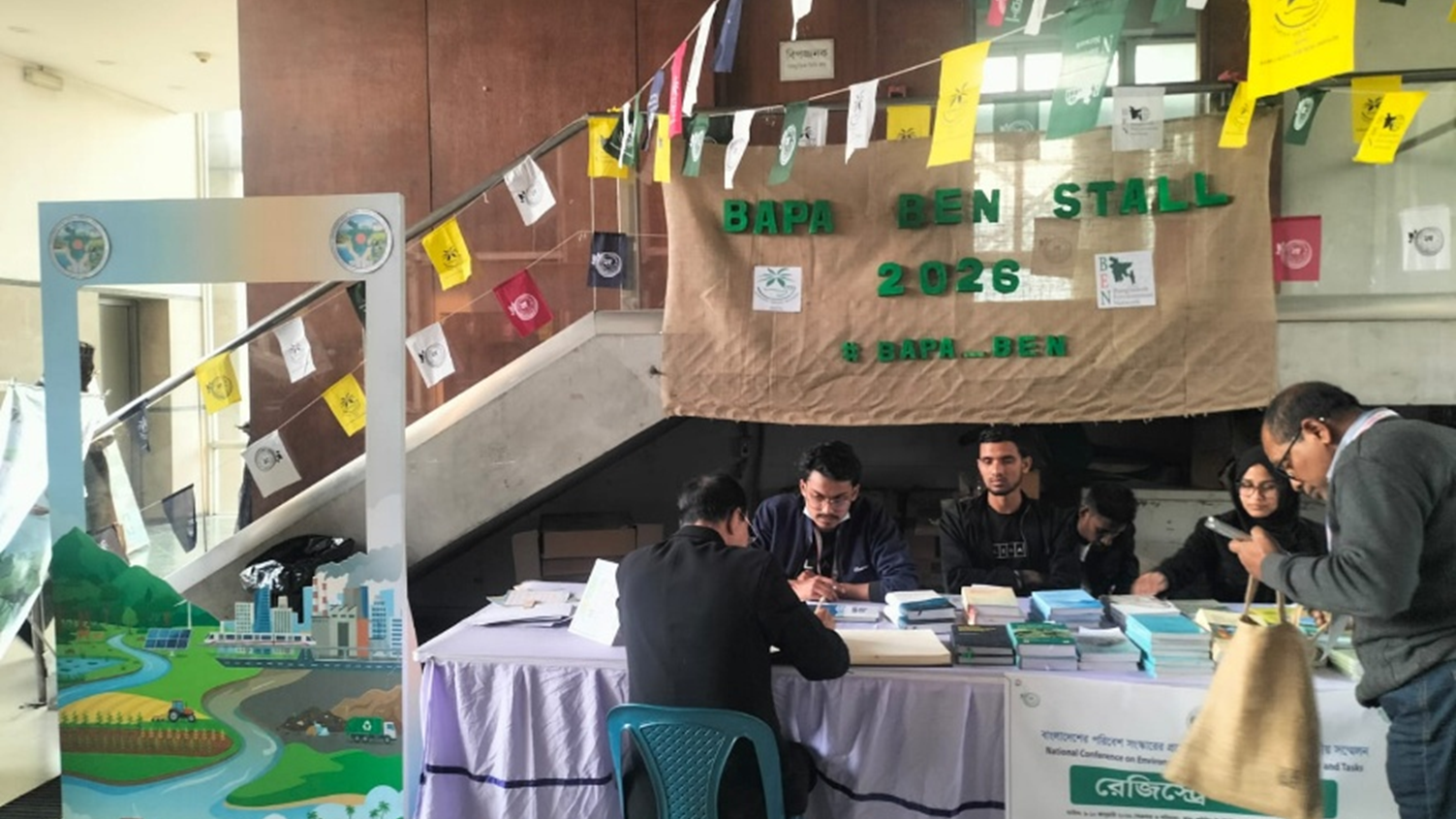
BAPA-BEN’s Interactive Stall Turned Conference Attendees into Active Participants
BAPA and BEN set up an interactive exhibition stall at the January 2026 National Conference on Environmental Reforms to boost public engagement through gamification and feedback. The main attraction, the BEN Sorting Challenge, was a QR-based digital game where participants practiced rapid waste segregation, building “muscle memory” for correct disposal. A top score near 22,000 highlighted strong engagement. The stall also featured a photobooth with pledge placards and a Reform Register logbook for community-driven reform ideas.
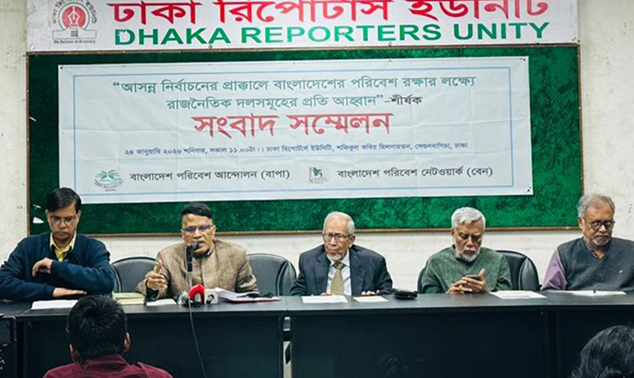
BAPA Suggests Politicians of Complicity in Environmental Destruction
BAPA-BEN's Jan 24 press conference demanded parties include environmental reforms in election manifestos, indicting political corruption for destruction. Key demands: air pollution control, waste management, river protection, Teesta sharing, renewable transition. Leaders criticized institutional dysfunction, urging voter accountability for holistic governance overhaul.
Who Gets the Land? Rangpur Citizens Question Industrial Focus of Teesta River Comprehensive Management and Recovery Plan Project
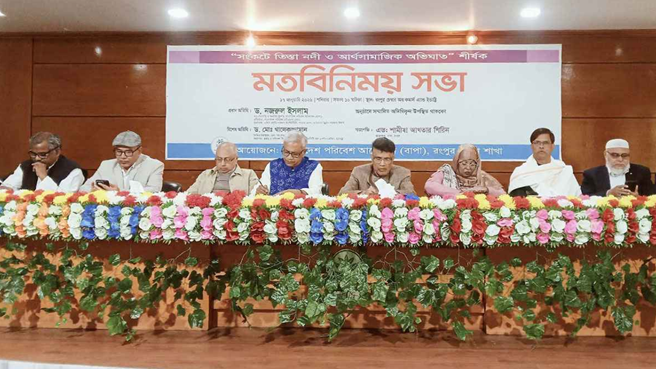
Rangpur citizens raised serious questions about the 12,000 crore Taka Teesta Master Plan, largely funded by high-interest Chinese loans. Dr. Nazrul Islam warned that narrowing the river by a quarter could be catastrophic during monsoons, contradicting fluvial dynamics and risking massive breaches. Critiques centered on the plan's focus on land reclamation for industry rather than ecological restoration. Dr. Md. Khalequzzaman argued that focusing solely on channel modification ignores the root cause: India's unilateral upstream withdrawals at Gazaldoba. The meeting demanded independent scientific verification and transboundary mediation, asserting that future generations shouldn't be burdened by debt for projects that prioritize corporate industrialization over the rights of riparian communities. Without a fair water-sharing agreement based on international law, these expensive domestic engineering projects remain risky gambles that fail to solve the delta's long-term hydrological crisis.
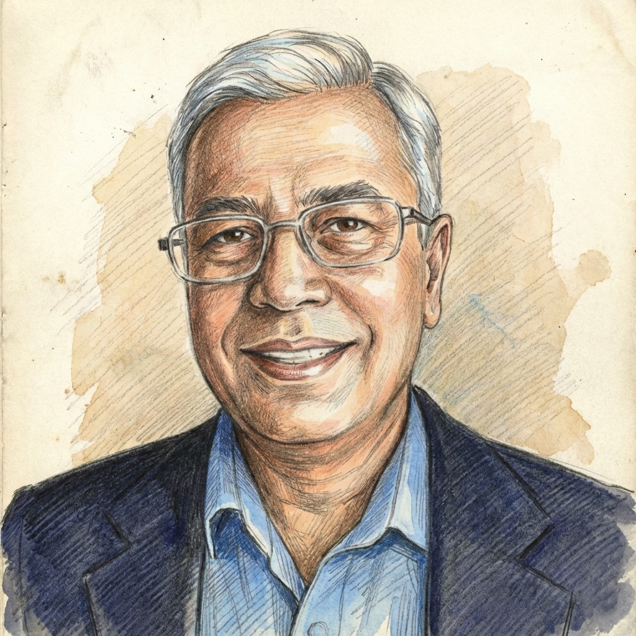
Expert Opinion
Water Policy Update and Questions of Effectiveness
Bangladesh's 1999 Water Policy update is timely but implementation-weak. Praises climate focus, Barind groundwater protection; criticizes transboundary gaps, pollution neglect, missing human rights. Needs water diplomacy, public data, polluter-pays for real impact.
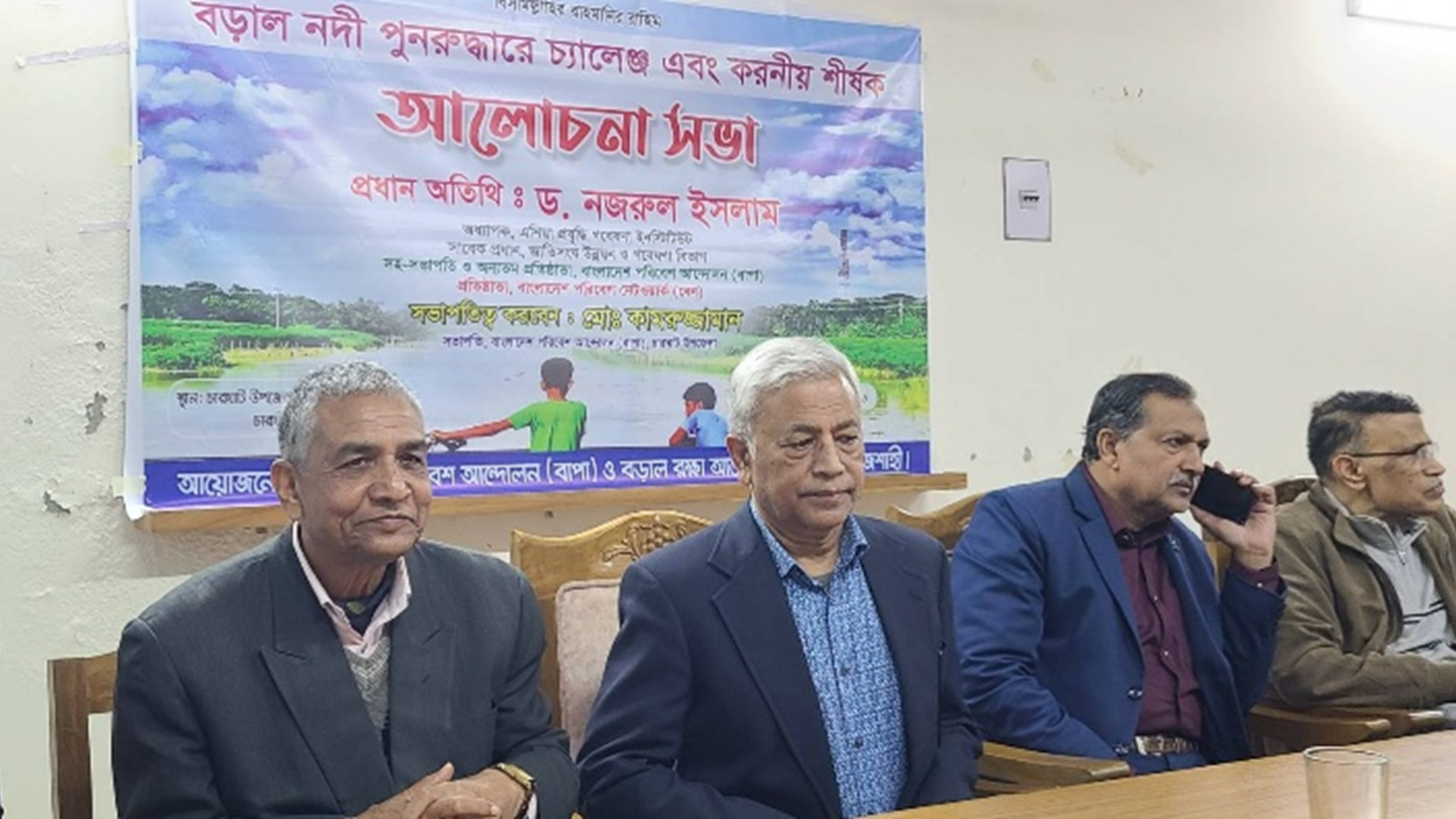
BAPA and Locals Unite in Charghat to Dismantle Barriers Killing the Baral River
BAPA held a Baral River restoration meeting on January 15 at Charghat Upazila Model Mosque, focusing on practical steps to revive a once vital river system supporting four districts. Speakers highlighted how sluice gates built in 1984 and 1995 fragmented the river and accelerated its decline. Dr. Nazrul Islam stressed restoration requires political will, legal enforcement, and grassroots monitoring, with sluice gate removal as the key reversible action. The meeting echoed Adviser Rizwana Hasan’s commitment to remove the Charghat gate, implementing the 2019 High Court ruling.
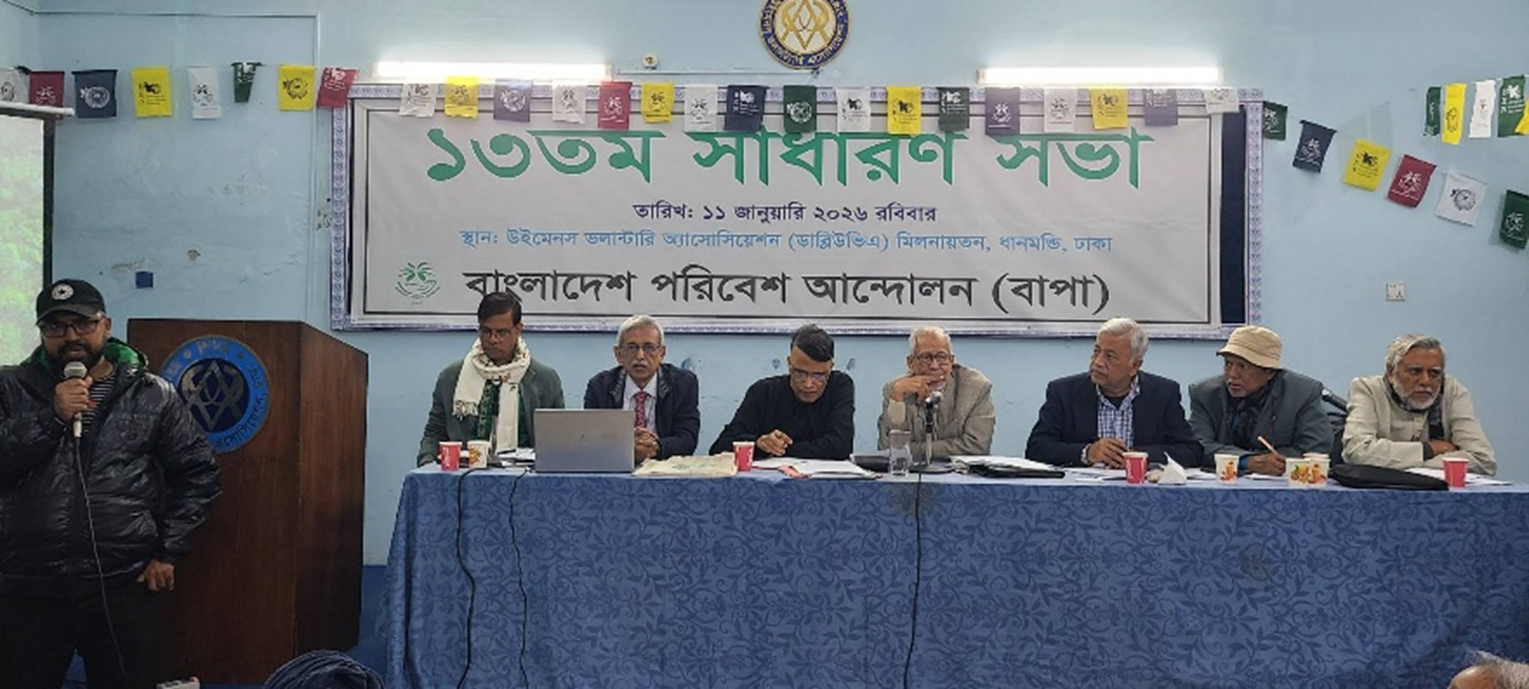
BAPA Holds 13th Annual General Meeting
Bangladesh Poribesh Andolon (BAPA) convened its 13th General Meeting on January 11, 2026, at the WVA Auditorium in Dhanmondi. Presided over by President Professor Noor Mohammad Talukder, the session focused on regional environmental movements, constitutional amendments, and the Treasurer’s financial report. A key highlight was the discussion regarding the election of the 9th National Committee to lead future advocacy. The event reinforced BAPA’s commitment to protecting Bangladesh’s environment through decentralized activism and sustained organizational growth.
BAPA Announces New Executive Committee For 2026-2027
At its January 18, 2026 meeting, BAPA formed a 46-member Central Executive Committee for 2026–27, chaired by Dr. Nazrul Islam. Professor Nur Mohammad Talukder was re-elected president and Md. Alamgir Kabir confirmed as general secretary, ensuring continuity and stronger administrative capacity. The committee integrates BEN leaders—Professor Saleh Ahmed Tanveer became a vice president, with other BEN figures joining the national committee. It also broadens geographic and grassroots representation, bringing river-protection activists into central decision-making to link science, policy and struggles.
© 2026 Bangladesh Environment Network
