
Environment Newsletter
Why Dhaka's Waste Crisis Persists Despite Two Decades of Plans, Master Plans, and Foreign-Funded Projects
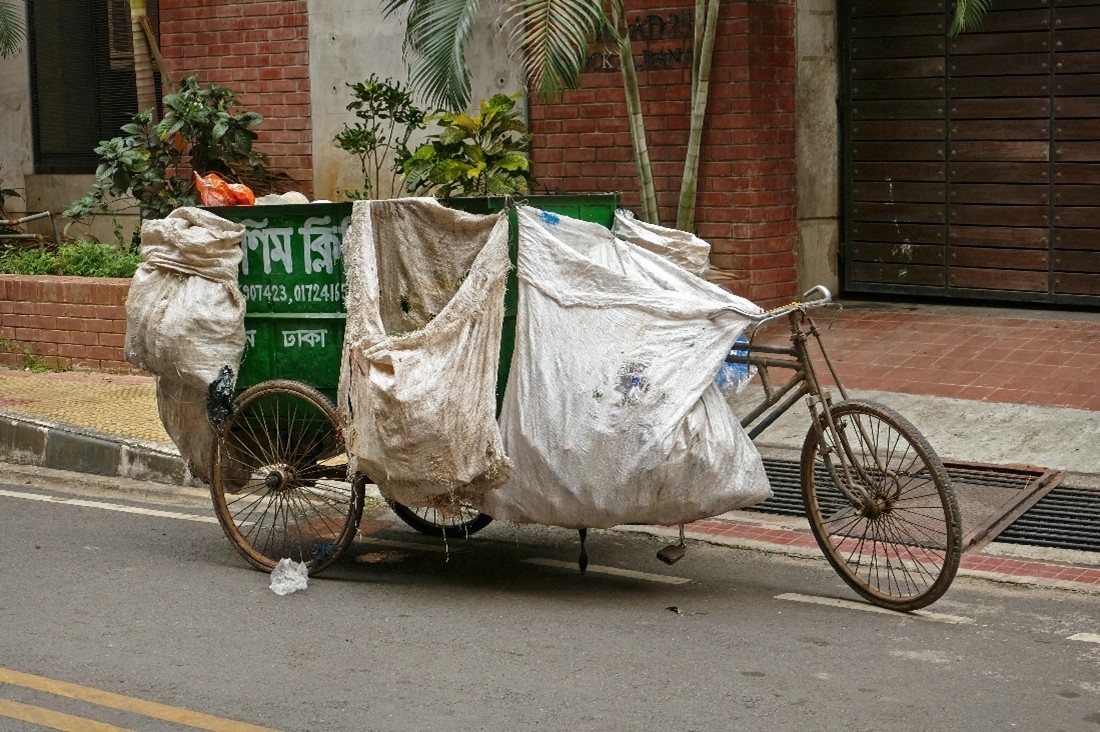
Despite ambitious master plans and massive expenditures, Dhaka’s waste management remains in crisis. While the city collects 80% of its waste, primary landfills at Amin Bazar and Matuail are nearing capacity. The 2018-2032 "Towards Zero Waste" plan emphasized recycling and reduction, yet implementation quickly failed due to deep fragmentation, weak enforcement, and a lack of source segregation. The Dhaka North City Corporation (DNCC) controversially abandoned the master plan for a $467 million Waste-to-Energy (WtE) incineration plant. This project is fundamentally flawed: Dhaka’s highly organic, wet waste lacks the required calorific value for incineration, demanding supplementary fuel and posing severe environmental threats. The project is currently stalled, with imported machinery deteriorating. Conversely, the Dhaka South City Corporation (DSCC) is piloting a resource circulation and landfill gas extraction model, which is better suited to the local waste profile but remains unproven at scale. Ultimately, without addressing foundational issues like segregation and institutional coordination, imported technologies risk becoming expensive failures.
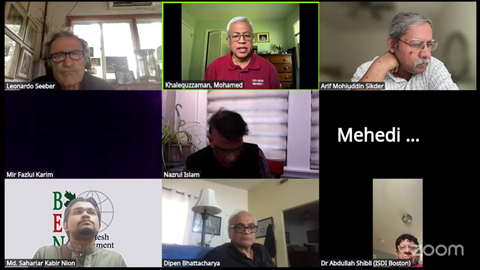
Experts challenge mega-quake fears, urge focus on urban vulnerability at 20th BEN webinar
Recent tremors have sparked a critical debate within the scientific community regarding Bangladesh’s true seismic vulnerability. Discussed at the 20th BEN Webinar, the core dispute centers on whether the country faces a catastrophic 9.0 magnitude "mega-thrust" earthquake or high-probability localized events. Native geologists strongly contest the 9.0 hypothesis, arguing that the Bengal Basin’s thick sedimentary structure makes such an event physically implausible and preparing for it an unnecessary economic burden. They suggest a maximum realistic magnitude of 7.0. However, discarding the mega-thrust theory does not guarantee safety. Significant threats remain, particularly from the active Dauki Fault. The most pressing danger, experts warn, lies not in the fault lines themselves, but in unregulated urban expansion and poor engineering. With new developments built on soft, liquefaction-prone soil and a severe lack of building code enforcement, even a moderate 6.0 tremor could cause catastrophic structural failures.
What kind of mega-plan is needed to resolve the Teesta crisis? - Part 1
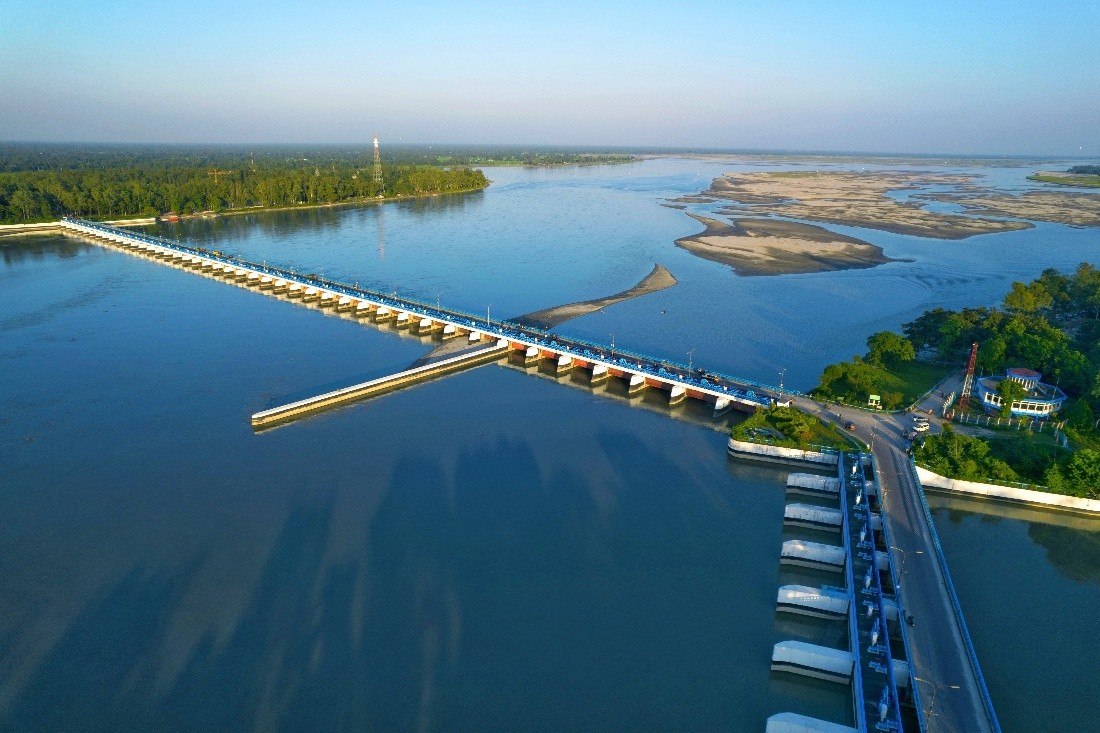
Dr. Nazrul Islam explores the ongoing Teesta River crisis and the debate over the appropriate "mega-plan" needed to resolve it, specifically questioning the viability of Power-China's proposed "Teesta River Comprehensive Management and Restoration Project." He outlines two fundamental approaches to river management. The "commercial approach," which includes both frontal interventions (dams) and lateral "cordon" interventions (embankments), views rivers solely as economic resources, often leading to severe ecological consequences, waterlogging, and increased flood damage. He notes that Bangladesh is uniquely saturated with these harmful cordon projects. Conversely, he advocates for the "post-industrial nature-based approach." This approach acknowledges the economic value of rivers but prioritizes maintaining their natural, ecological roles. He suggests that addressing the Teesta crisis requires moving away from the damaging commercial strategies of the past and embracing a nature-based perspective that respects the river's dynamic, living ecosystem.
What kind of mega-plan is needed to resolve the Teesta crisis? - Part 2 : How the Teesta crisis was created
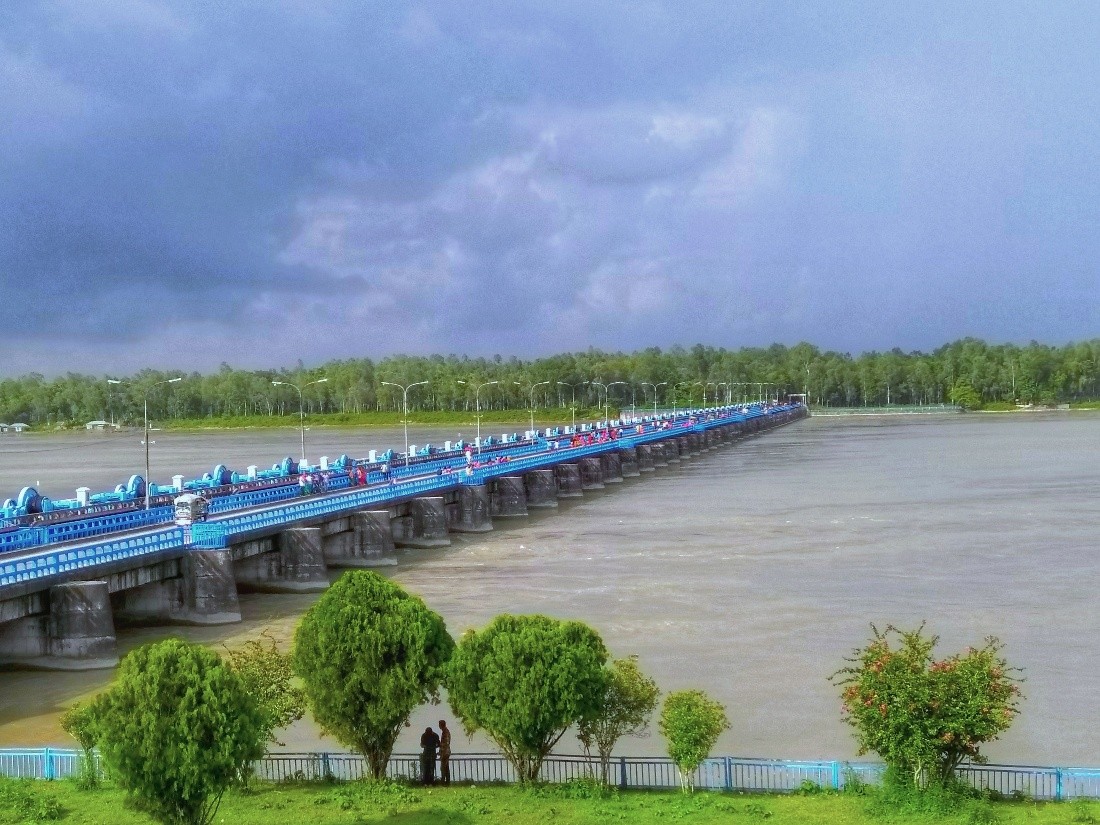
Dr. Nazrul Islam argues that the Teesta River’s ongoing crisis is fundamentally rooted in the aggressive application of the "commercial approach" to river management. He asserts that India bears the primary responsibility, utilizing the Gajoldoba barrage and numerous upstream dams to systematically divert crucial dry-season water while releasing catastrophic torrents during the monsoon. However, he considers that Bangladesh has also worsened the disaster through its own commercial interventions. He notes that the massive Dalia Barrage and extensive lateral embankments have severed the Teesta from its natural distributaries and severely depleted the floodplain's water retention capacity. Ultimately, he figures out that this dual onslaught has manufactured a severe, three-pronged crisis: an existential lack of environmental flow during the dry season, increasingly violent monsoon flash floods, and massive structural distortion of the riverbed that drives devastating, continuous riverbank erosion.
Proposed Padma Barrage: A Wasteful and Harmful Project

Dr. Nazrul Islam sharply criticizes the proposed Tk 35,000-crore Ganges/Padma Barrage project, arguing that it lacks objective feasibility studies and ignores severe long-term consequences. While the Bangladesh Water Development Board claims the barrage will supply dry-season water to the southwest, Dr. Islam points out three major flaws. First, he considers that it will cause massive upstream siltation, flooding, and erosion, mirroring the disastrous effects of India's Farakka Barrage. Second, he notes that diverting water southwest will critically reduce flow to the central region and Meghna estuary, exacerbating inland salinity. Finally, Dr. Islam figures out that building this barrage would destroy Bangladesh’s diplomatic leverage to demand its rightful share of Ganges water from India. Instead of massive structural interventions, he thinks that the government must secure fairer water-sharing treaties utilizing the 1997 UN convention and prioritize removing existing barriers to reconnect natural distributaries, as successfully demonstrated with the Baral River.
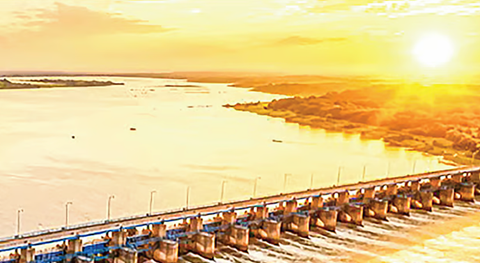
Barrage Debate: The Background of the Padma (Ganges) Barrage Project
Dr. Nazrul Islam sharply criticizes the proposed Tk 33,474-crore Ganges/Padma Barrage project, arguing it is a massive, secretive scheme pushed by the Water Development Board (WDB) without transparency or public input. While proponents claim the barrage will solve water scarcity in the southwest, he points out that the region's actual crisis is severe waterlogging, directly caused by the WDB's own past interventions. He considers that the polders, sluice gates, and regulators built by the WDB have choked natural distributaries and ruined the local river system. He figures out that the WDB ignores the obvious solution removing these harmful structures to restore natural flow, as proven by the Baral River's revival because their institutional interest lies in building massive, budget-inflating structures rather than admitting past failures.
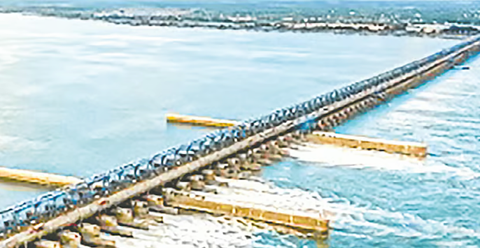
Will the Padma (Ganges) Barrage Solve the Problem?
Dr. Nazrul Islam sharply criticizes the feasibility study for the proposed Padma Barrage, arguing it deliberately ignores severe downstream consequences. While proponents claim it will revitalize southwestern rivers, he considers that the project represents a dangerous "zero-sum game." Diverting water at Pangsha will critically deplete the Padma's downstream flow, devastating local agriculture and accelerating salinity intrusion deep into the Meghna estuary. Furthermore, he figures out that upstream siltation will mirror the disastrous Farakka experience, exacerbating inland flooding. Geopolitically, he thinks that building this barrage plays directly into India's hands, severely weakening Bangladesh's leverage for a fair Ganges water-sharing treaty. Instead of this massive mega-project, he considers that the government must pursue a two-pronged strategy.
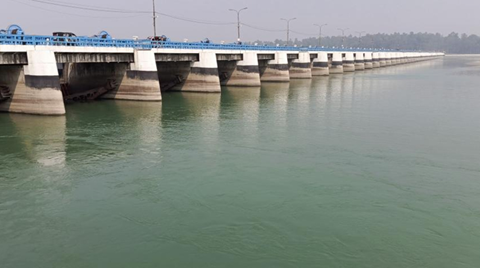
Why the Padma Barrage will be a disaster for Bangladesh
Dr. Md. Khalequzzaman warns that the proposed Padma Barrage could deepen Bangladesh's ecological crisis. He considers that the project is a "highly premature and poorly considered decision," pointing out that the barrage would trap crucial sediment, further starving the coastal delta while exacerbating upstream flooding and waterlogging, much like India's Farakka Barrage. Furthermore, he thinks that proceeding with the barrage without a guaranteed minimum flow from a renewed Ganges treaty risks creating another dry riverbed scenario like the Teesta. Dr. Khalequzzaman figures out that the project’s claims regarding irrigation, navigability, and hydropower are misleading, as the proposed 3 billion cubic meters of stored water is vastly insufficient for the targeted 1.9 million hectares.
Integrated River Basin Management is Crucial for Bangladesh
Dr. Md. Khalequzzaman warns that the proposed Padma Barrage is a premature and hasty decision that threatens Bangladesh's ecological survival. He considers that the project will trap vital sediment, worsening upstream waterlogging and downstream coastal vulnerability, directly mirroring the disastrous impacts of India's Farakka Barrage. Before pursuing this mega-project, he thinks that Bangladesh must secure a renewed, basin-wide Ganges treaty that includes Nepal and guarantees a minimum year-round water and sediment flow. Drawing lessons from the Teesta crisis, Dr. Khalequzzaman figures out that a barrage without guaranteed upstream water is essentially useless, noting that the proposed storage capacity is mathematically insufficient for the promised agricultural irrigation. Ultimately, he believes that Bangladesh must prioritize integrated hydro-diplomacy, ratify the UN Watercourses Convention, and focus internally on dredging silted waterways and modifying existing polders to ensure long-term water and environmental security.
BEN marks 28th anniversary with reel competition
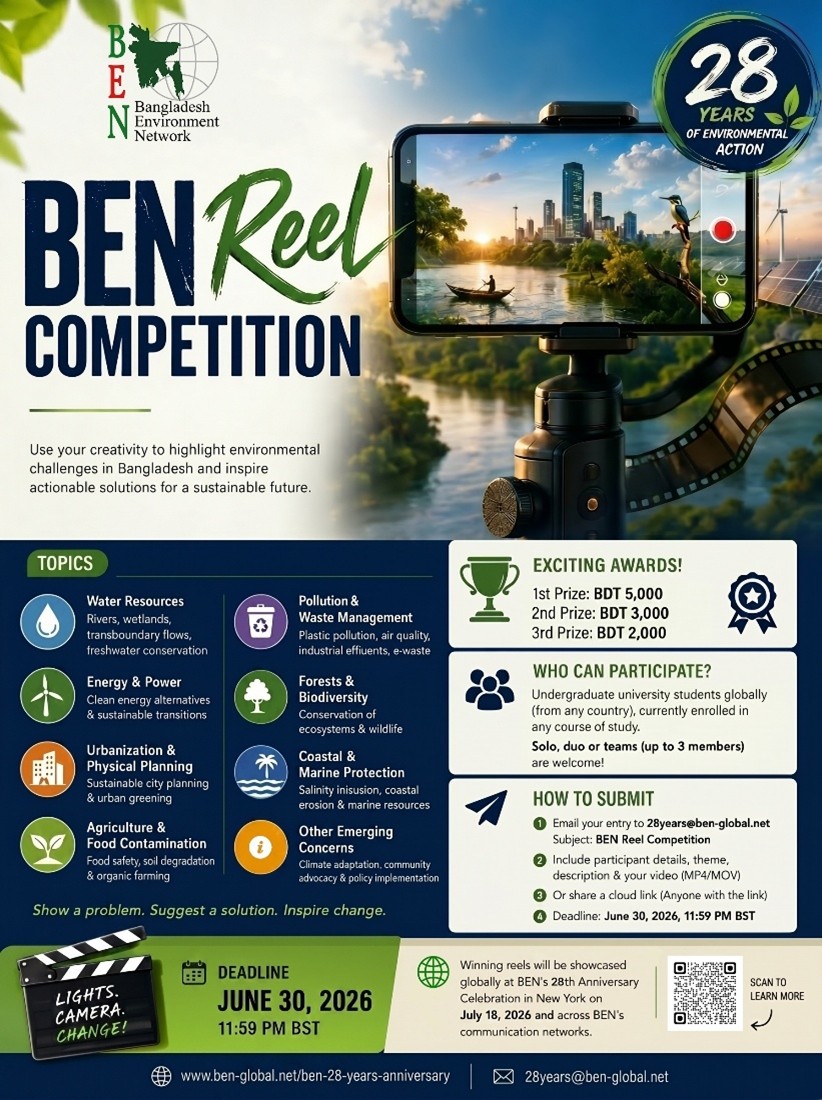
To mark its 28th anniversary, the Bangladesh Environment Network (BEN) has launched a global reel competition, inviting youth and digital creators to spotlight Bangladesh's critical environmental challenges and propose actionable solutions. Open to worldwide participants individually or in groups of up to three, the contest seeks one-to-two-minute vertical videos focusing on themes like water management, clean energy, pollution control, sustainable urbanization, and biodiversity. Organizers emphasize originality and scientific accuracy, strictly prohibiting the use of generative AI for footage, scripts, or voiceovers. Submissions can feature audio and text in either Bengali or English, with cross-lingual subtitles highly encouraged.
BAPA demands scientific master plan to end man-made haor crisis
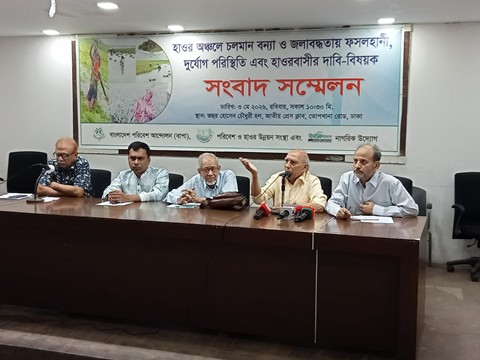
Environmentalists and rights activists from BAPA and allied organizations assert that the ongoing devastation of over 75,000 hectares of Boro paddy in Bangladesh's haor regions is a man-made disaster driven by policy failure, corruption, and unplanned infrastructure. At a recent press conference, experts warned that diminished river navigability, reckless road and sluice gate construction, and delayed crop-protection dams have caused unprecedented waterlogging, severely threatening national food security. The crisis is inflicting devastating socio-economic damage, plunging sharecroppers into poverty and forcing distress sales of livestock. In response, the coalition presented a comprehensive 16-point charter of demands. They urge the government to formulate a science-based master plan emphasizing extensive river dredging and a complete halt to obstructive infrastructure. Immediate relief demands include direct paddy procurement, monthly financial and food assistance for affected families, interest-free alternative employment loans, and the opening of leased water bodies to local communities.
BAPA demands end to haphazard cattle markets, swift waste removal
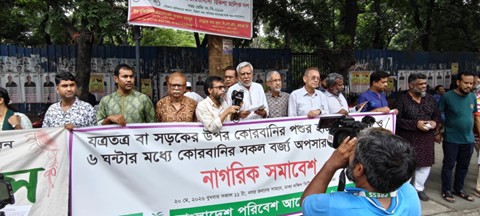
Demanding an end to street-based sacrificial cattle markets and the rapid removal of Qurbani waste, Bangladesh Poribesh Andolon (BAPA) held a citizens' rally outside the Dhaka South City Corporation (DSCC) and submitted a 10-point memorandum to both Dhaka city corporations. BAPA leaders stressed that Dhaka's current waste management infrastructure is inadequate and needs urgent modernization to handle the Eid-ul-Azha rush. Activists criticized the recurring failure of authorities to meet their own waste removal deadlines, urging strict adherence this year. Furthermore, they called for robust public awareness campaigns to stop roadside animal slaughtering and the dumping of waste into water bodies. A critical demand included ensuring fair pricing for rawhides to prevent frustrated sellers from discarding them into rivers and drains. To ensure a pollution-free city, BAPA's charter strongly advocates for establishing designated neighborhood slaughterhouses, providing adequate disinfectants, introducing an emergency grievance hotline, and increasing field-level monitoring.
