
Environment Newsletter
Bangladesh's Electric Vehicle Push and the Roadblocks Ahead
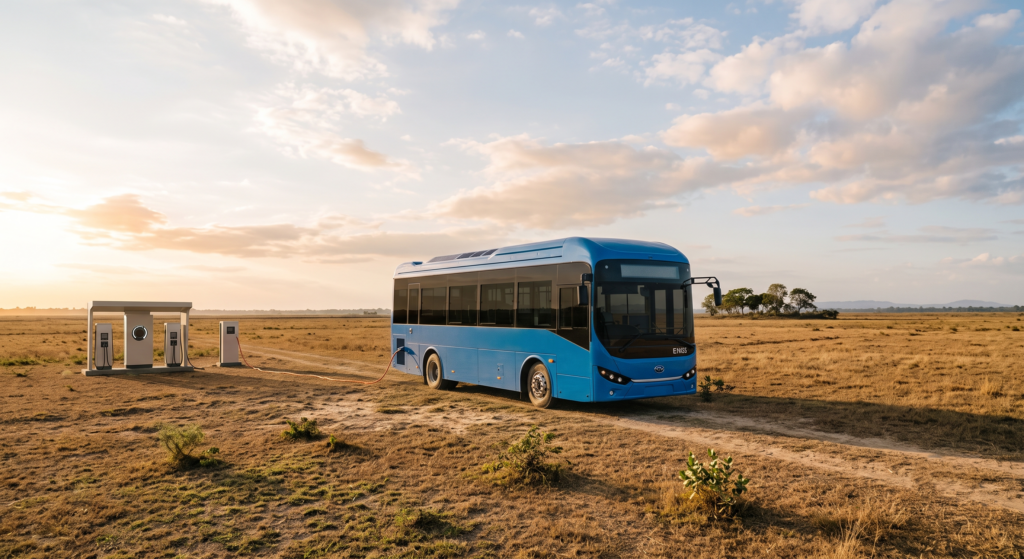
Bangladesh's FY2026-27 budget introduces sweeping tax incentives to accelerate electric vehicle (EV) adoption, aiming to combat severe urban air pollution and modernize transportation. The policy significantly lowers entry costs for consumers by slashing taxes on EVs while penalizing fossil-fuel vehicles. To foster a domestic EV ecosystem, the government offers substantial duty exemptions for local manufacturers and battery production, attracting investments from companies like BYD. However, industry insiders warn of potential pitfalls. Critics argue the tax cuts primarily benefit higher-income buyers and leave local body-builders vulnerable to cheap, subsidized foreign imports. The most critical roadblock remains the glaring lack of operational infrastructure, with a severe deficit in public charging stations, bus depots, and technical workforce. Transport operators stress that without comprehensive logistical support and feasibility studies, transitioning to commercial electric fleets remains financially unviable and could lead to drastically increased passenger fares.
Gaps and Governance in Bangladesh's FY2026-27 Climate Allocation
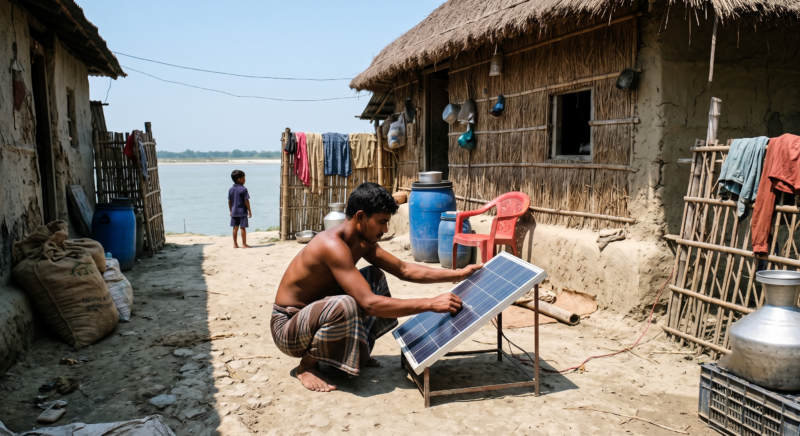
Bangladesh's proposed FY2026-27 budget allocates a historic Tk 51,746 crore for climate interventions, a 26% increase signaling strong policy commitment against mounting environmental vulnerabilities. Despite this record domestic provision, experts warn it falls drastically short of the estimated $30 billion needed annually, representing only 0.76% of the national GDP rather than the recommended 3%. The budget disproportionately relies on domestic resources while structural misalignments marginalize critical sectors like public health and institutional research. Ambitious mitigation strategies lack the essential measurement systems needed for international carbon trading, risking greenwashing. Furthermore, tax benefits for solar power exclusively favor large corporate producers.
The Unanswered Questions of the Ganges Barrage
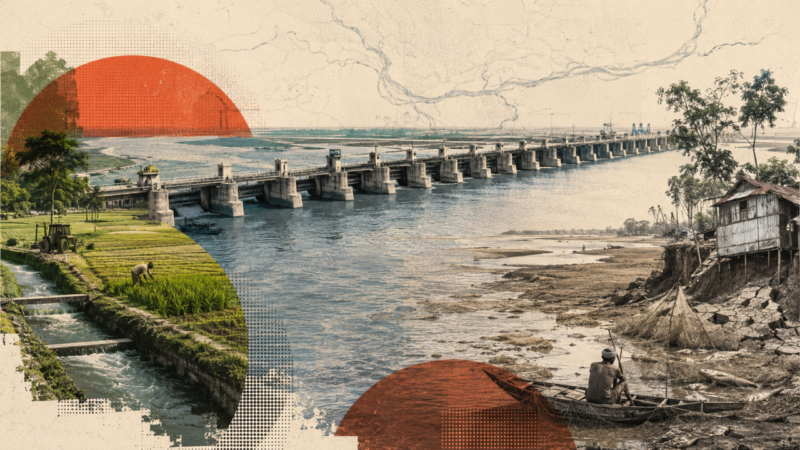
In response to Bangladesh Water Development Board engineers, Dr. Nazrul Islam critically examines the proposed Ganges (Padma) Barrage project, questioning its viability and transparency. He highlights that the multi-billion-taka project's feasibility report has not been publicly disclosed, stifling democratic evaluation. Dr. Islam refutes the misconception that the barrage will effectively store monsoon water for winter use, noting its capacity equals only two days of monsoon flow. Instead, it will severely deplete the lean-season flow downstream of Pangsha, threatening the Padma River, Arial Khan, and the Meghna estuary.
What Bangladesh Must Do for a Successful Treaty on Sharing the Ganges Water
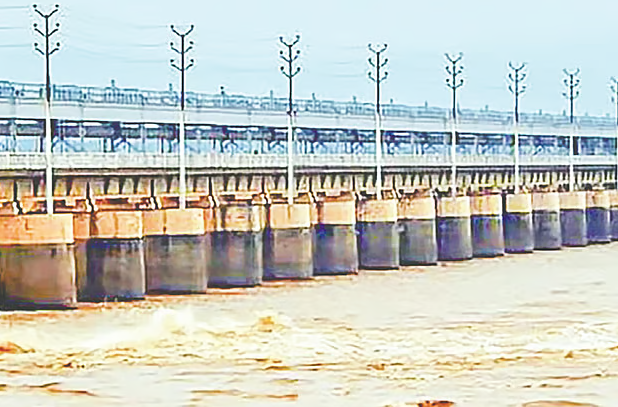
For the impending Ganges Treaty renewal, Bangladesh's primary, nature-centric demand should be the complete removal of the Farakka Barrage. This demand is increasingly supported within India itself, as states like Bihar suffer severe upstream siltation and flooding. Until removal is achieved, Bangladesh must uncompromisingly insist on reinstating the "minimum guarantee clause" to secure at least 35,000 cusecs of dry-season flow. Achieving this requires vigorous international diplomacy, leveraging geographical advantages like transit and port access, and overhauling the bureaucracy-heavy Joint Rivers Commission to include ecological experts.
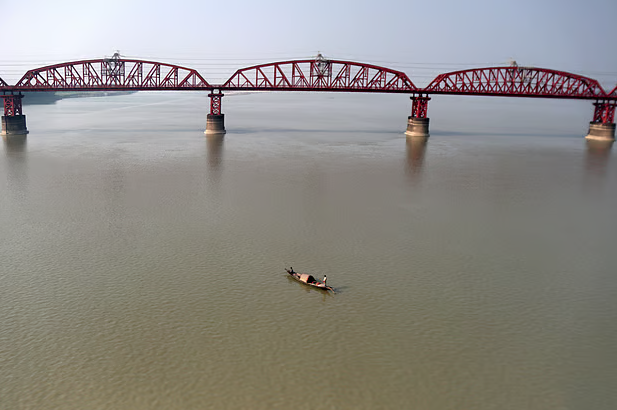
How Bangladesh Can Prepare for the Renewal of the Ganges Treaty
As the 30-year Ganges Water Sharing Treaty nears expiration, Bangladesh must urgently prepare a robust strategy. Historically, both nations have approached river management from a short-sighted "commercial" perspective. This approach has repeatedly failed Bangladesh, most tragically with the Teesta River. To secure its fair share and protect its environment, Bangladesh must shift to an "ecological" approach that prioritizes a river's natural role. Crucially, Bangladesh should immediately sign and ratify the 1997 UN Convention on the Non-Navigational Uses of International Watercourses.
The 65,000 Crore Taka Trap and the Threat to the Padma River
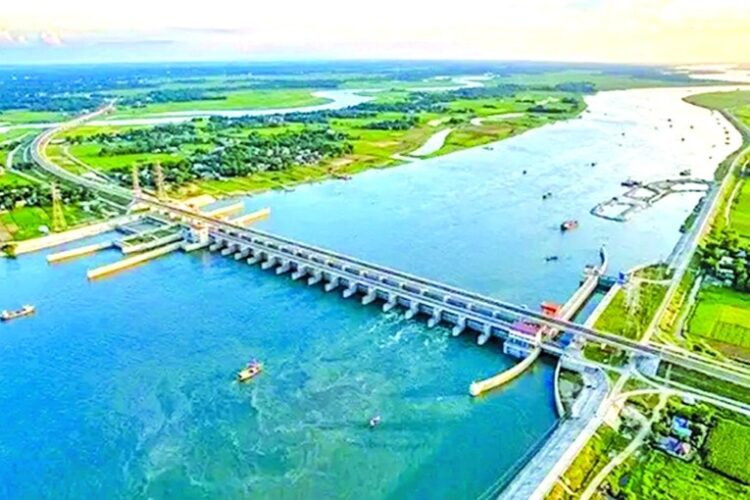
During a critical address in Dhaka, Dr. Nazrul Islam vehemently opposed the proposed 65,000 crore taka Ganges (Padma) Barrage, describing it as an expensive and ecologically disastrous trap. He condemned the government's lack of transparency, noting the feasibility study remains hidden from the public. Dr. Islam debunked the myth that the barrage will effectively store monsoon water, explaining that its capacity is drastically insufficient. Instead, it will fatally restrict already-low winter flows, devastating downstream ecosystems, escalating salinity in the Meghna estuary, and transforming the Padma into a braided, shallow river akin to the ruined Teesta. Furthermore, the barrage will inevitably trap massive amounts of silt, leading to failed underwater sluice gates, raised riverbeds, and catastrophic upstream bank erosion. Ultimately, he warned that constructing this barrage plays directly into India's hands.
Padma Barrage Project: Crisis or Solution?
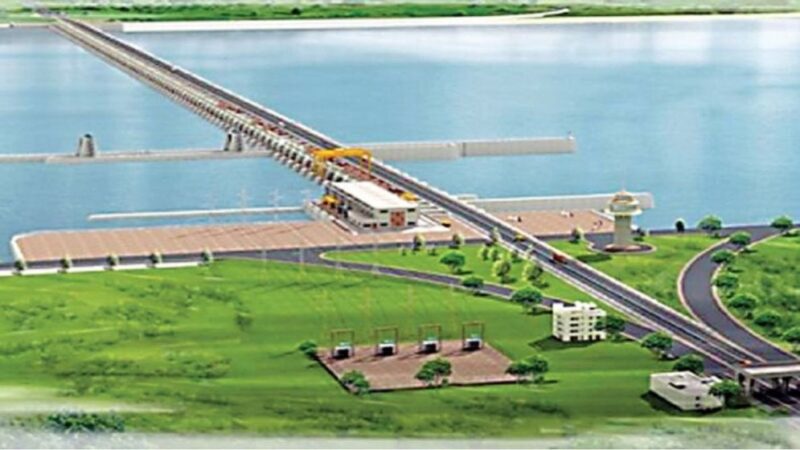
Dr. Md. Khalequzzaman argues that the proposed Padma Barrage will precipitate an ecological crisis rather than offer a solution. The Padma River already suffers from altered flows and massive upstream siltation due to India's Farakka Barrage. Building another barrage internally would trap the remaining silt, rapidly filling the riverbed, creating extensive shoals, and causing severe waterlogging up to the Indian border. Downstream communities would essentially become victims of two barrages, facing acute water scarcity, amplified riverbank erosion, and increased salinity. Dr. Khalequzzaman asserts that prioritizing this barrage right before the Ganges Treaty renewal is strategically disastrous, suggesting the true motivation is the lucrative allure of a "mega project."
Chronicling a 'Cruel Summer': How US-Iran War in the 'Strait of Harmuz' is Taking Toll on Our Boro Farmers

The escalating geopolitical conflict between the US and Iran in the Strait of Hormuz is causing a devastating ripple effect on Bangladesh's agricultural sector, turning the current summer into a crisis for local farmers. The disruption of global oil supply chains has led to acute diesel shortages precisely during the critical Boro paddy irrigation season. Bangladesh relies heavily on over two million diesel-powered agricultural machines, requiring approximately 1.25 million tons of fuel for irrigation. However, current daily supplies fall perilously short of demand, depleting national reserves. Consequently, thousands of irrigation pumps sit idle across major agricultural hubs like Rajshahi, Barishal, and Rangpur. Farmers are forced to wait in long queues or pay exorbitant black-market prices to save their scorching fields. With the vital Boro harvest and national food security severely threatened, experts are urgently calling on the government to exercise prudent, pragmatic diplomacy to navigate this crippling energy crisis.
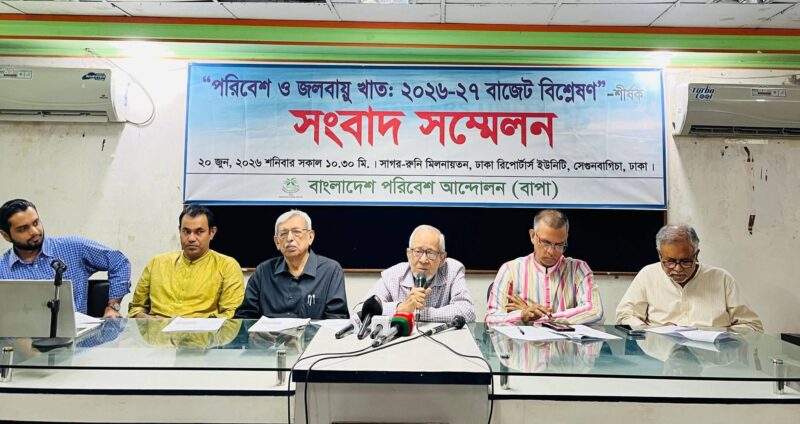
Increased Climate Budget a Mere Illusion Without Accountability: BAPA
Environmental leaders from the Bangladesh Paribesh Andolon (BAPA) warn that the proposed increase in the FY2026-27 climate budget will remain a "mere illusion" without strict transparency and accountability. While allocations for the Ministry of Environment increased by 22%, the state's dedicated climate fund remains inexplicably stagnant. BAPA heavily criticized the government's contradictory policies, such as funding river dredging while politically patronizing destructive sand extraction. Leaders condemned the rushed, bureaucracy-driven budget spending that typically fosters end-of-year corruption.
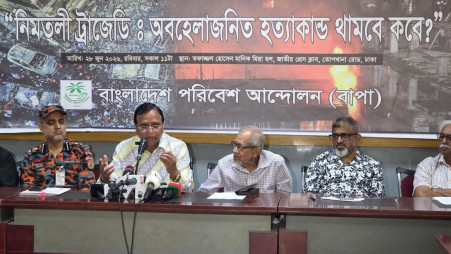
Public Awareness and Strict Enforcement Crucial to Prevent Another Nimtoli Tragedy
Sixteen years after the catastrophic Nimtoli fire, Dhaka remains dangerously susceptible to similar urban disasters due to widespread illegal chemical warehouses and poor civic management. At a seminar organized by Bapa, experts and officials stressed that preventing future tragedies requires both strict law enforcement and robust public awareness. DSCC officials criticized building owners who prioritize lucrative rent over human lives by secretly housing highly flammable chemicals in residential zones, emphasizing the urgent need for personal civic accountability.
