
Environment Newsletter
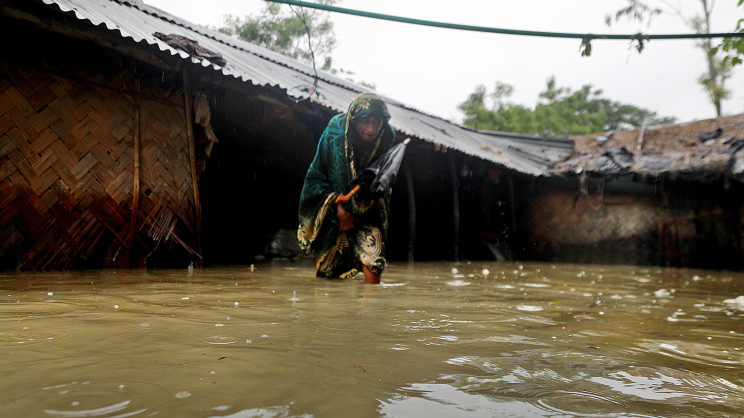
Why Chattogram Faces Devastating Floods Every Year
In July 2026, southeastern Bangladesh, particularly Chattogram, faced a catastrophic disaster triggered by a record 412 millimeters of rain in just 24 hours. The resulting floods and landslides claimed at least 59 lives, affected over 1.28 million people, and devastated agricultural livelihoods and vulnerable Rohingya refugee camps. However, experts point out that extreme rainfall was merely the trigger; the root causes lie in decades of severe ecological mismanagement. Over the past forty years, Chattogram has lost nearly 3,000 natural water bodies to illegal land grabbing and unplanned urbanization, destroying the region's natural retention basins. Indiscriminate hill cutting has caused massive soil erosion, choking urban drainage systems, while major rivers like the Sangu have been obstructed by illegal structures. Despite a Tk 12,000 crore drainage project, poor coordination and environmental degradation continue to trap Chattogram in a dangerous, preventable cycle of devastating urban flooding.
The Longest Suffering of Mankind

The Jatrabari-Gulistan Flyover, initially envisioned as a monumental infrastructure project to ease traffic entering Dhaka, has instead devolved into a source of chronic congestion and suffering. Constructed under a public-private partnership by Orion Infrastructure Limited, the 11.7-kilometer flyover forces traffic from multiple national highways into severe bottlenecks due to fundamentally flawed structural planning, such as narrowing four lanes into a single exit lane. Furthermore, manual toll collections and excessive fees exacerbate the gridlock, while Orion Group has defaulted on a Tk 106 crore loan despite operating with a 15-year tax exemption. The space beneath the flyover is equally chaotic, plagued by massive potholes, unauthorized businesses, and illegal bus terminals. Experts estimate this poorly managed infrastructure causes Tk 21,000 crore in annual economic and health losses, leading some to suggest partial or complete demolition as the only viable solution to restore urban mobility.
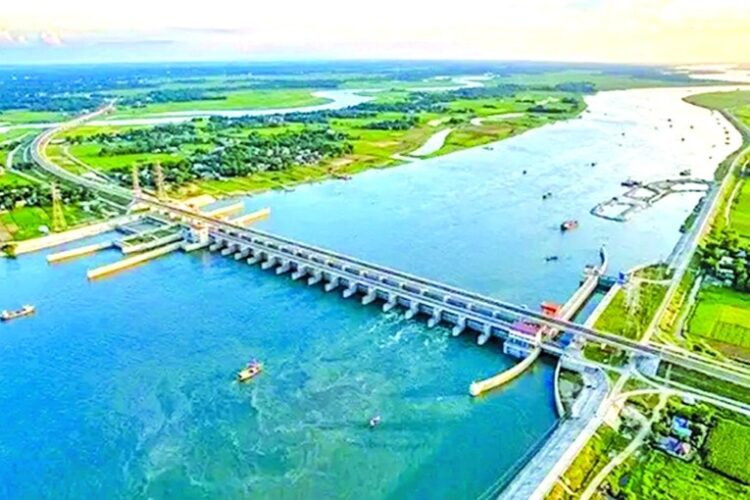
BAPA and BEN to Host Seminar on Proposed Padma Barrage Project
The Bangladesh Paribesh Andolon (BAPA) and the Bangladesh Environment Network (BEN) are organizing a hybrid seminar on August 22, 2026, to discuss the feasibility and environmental implications of the proposed Ganges (Padma) Barrage Project. Taking place at the CIRDAP Auditorium in Dhaka, the event will feature keynote presentations from prominent environmental experts Dr. Nazrul Islam and Dr. Md. Khalequzzaman. The government projects that the Tk 34,970 crore barrage, planned at Pangsha, will retain dry-season water to mitigate shortages, combat salinity intrusion, and support fisheries and irrigation in southwestern Bangladesh. However, environmental and water experts have expressed severe reservations. They are deeply concerned about the reliability of the underlying hydrological data, the actual availability of upstream water, and the project's potential to disrupt sediment transport, worsen downstream erosion, and irreversibly damage the wider delta ecosystem without a transboundary management approach.
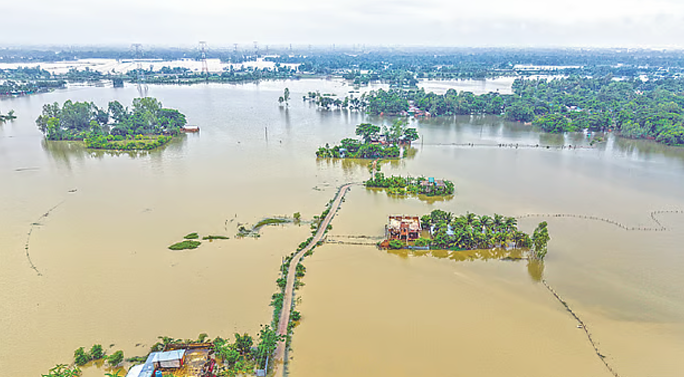
What is the solution to the growing floods and waterlogging?
Dr. Nazrul Islam argues that while global climate change, including sea-level rise and extreme rainfall plays a role in Bangladesh's worsening floods and waterlogging, the primary blame lies with internally flawed policies. For 70 years, Bangladesh has adhered to a destructive "cordon approach," heavily influenced by foreign consultants, which isolates rivers from natural floodplains using extensive embankments and polders. This disrupts natural drainage, trapping rainwater inside cordoned areas and causing severe urban and rural waterlogging, even extending to hilly regions like Chattogram due to poor infrastructure planning. To resolve this escalating crisis, Dr. Islam advocates adopting an "open approach." He proposes excavating canals, ensuring road infrastructure is built on pillars to allow free water flow, and converting coastal polders into seasonal embankments. These steps would restore the natural spread of monsoon waters, enabling crucial sediment deposition and protecting against long-term submersion.
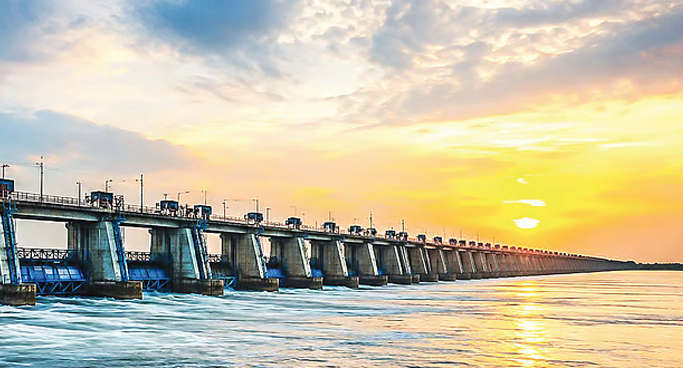
Are barrages going to turn into a mirage in Bangladesh?
Dr. Nazrul Islam strongly critiques the proposed Padma Barrage, arguing that the promise of it storing monsoon water for winter use is a dangerous "mirage." The feasibility report reveals the barrage at Pangsha would only hold about 1.04% of the Ganges' total monsoon flow, a volume that would be exhausted in just days during the dry season. Consequently, the barrage would drastically halve the already scarce dry-season downstream flow, devastating rivers in the Barisal division, increasing salinity, and disrupting delta formation. Drawing on the catastrophic failures of the Farakka, Gajoldoba, and existing Teesta barrages, Dr. Islam argues these structures inevitably cause siltation and channel distortion rather than solving seasonal water disparities. Instead of pursuing mega-structures, he urges the government to abandon the "cordon approach" and revive Bangladesh's natural, dispersed water reservoirs, such as Chalan Beel and northeastern haors to naturally store winter water.
Rethinking Bangladesh's Transboundary Water Strategy
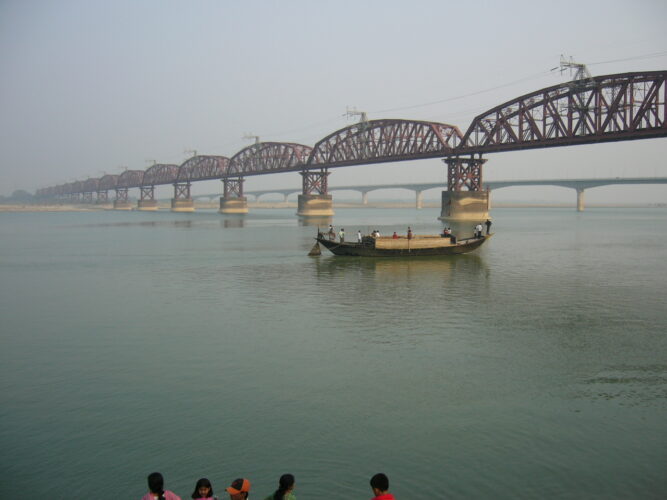
Dr. Md. Khalequzzaman stresses the urgent need to overhaul Bangladesh's transboundary water strategy, particularly concerning the Ganges Water Sharing Treaty. He warns that proceeding with the proposed Padma Barrage without securing a guaranteed minimum flow clause from India would be disastrous, potentially dropping dry-season river flows to devastating lows. He criticizes the reliance on foreign funding for internal mega-projects, arguing that true solutions require international cooperation, not isolated structural interventions. Dr. Khalequzzaman demands the ratification of the 1997 UN Watercourses Convention to ensure equitable, basin-wide management of transboundary rivers, including the Brahmaputra. Furthermore, he advocates for the removal of all structures that obstruct natural river flows-both international dams and internal infrastructure like coastal polders and the Kaptai Dam. Preserving the natural flow and sediment transport of rivers is portrayed as an existential necessity for the survival of the Bangladesh delta.
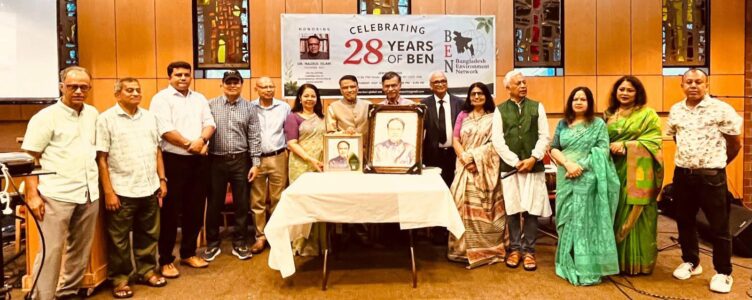
BEN Celebrates 28 Years and Honors Founder Dr. Nazrul Islam
The Bangladesh Environment Network (BEN) recently celebrated its 28th anniversary in Jackson Heights, New York, with an event honoring its founder, the renowned economist and environmentalist Dr. Nazrul Islam. During the celebration, Dr. Islam was presented with a Lifetime Achievement Award to recognize his decades of dedication to environmental conservation in Bangladesh. A major highlight was the launch of "Dr. Nazrul Islam - An Environmental Pioneer".
BAPA Urges Water Ministry to Rethink Major River Projects
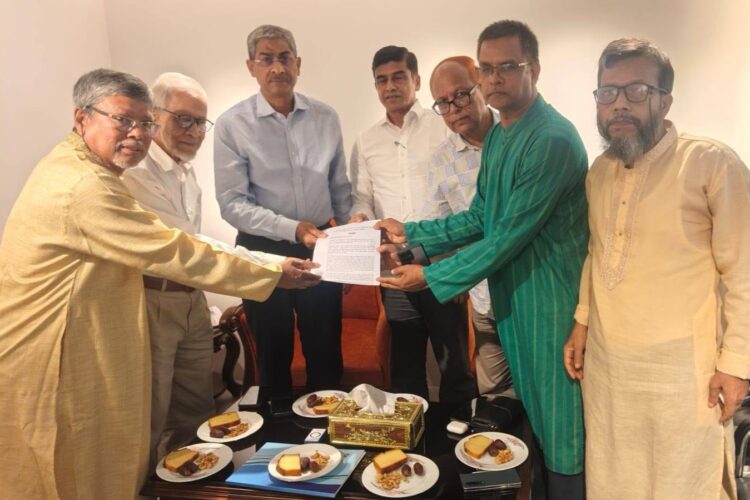
A high-level delegation from the Bangladesh Poribesh Andolon (BAPA) recently met with Water Resources Ministry officials to demand a critical reassessment of the country's major river and water management projects. BAPA leaders raised urgent concerns regarding escalating river pollution, wetland encroachment, and the severe ecological damage caused by structural interventions like the Teesta Master Plan and the proposed Ganges Barrage. In a submitted memorandum, BAPA strongly advocated for an "Open-River" policy, urging the government to prioritize free-flowing waterways by dismantling unnecessary sluice gates, culverts, and polders that restrict natural drainage and sediment deposition. Furthermore, BAPA called for the restoration of historical river boundaries, strict enforcement against industrial polluters, and community-led, eco-friendly riverbank protections.
BAPA Calls for Coordinated Action to Solve Dhaka's Waterlogging
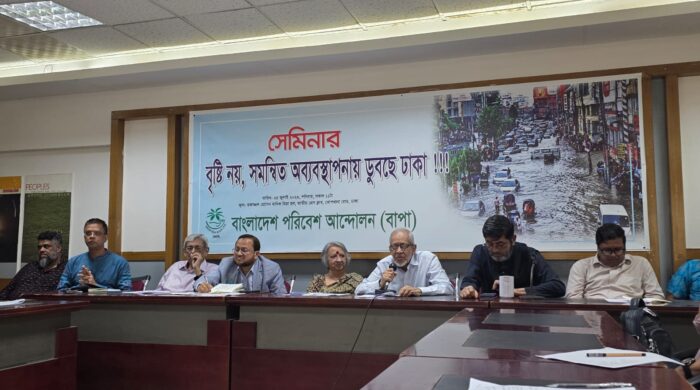
During a recent seminar, the Bangladesh Poribesh Andolon (BAPA) highlighted that Dhaka's severe monsoon waterlogging is a man-made crisis driven by uncoordinated institutional mismanagement and unplanned urbanization. Experts revealed that the city has lost approximately 120 kilometers of natural canals to rapid expansion, drastically reducing the soil's water absorption capacity from 40% to just 20%. This structural failure is heavily compounded by an inadequate sewerage system and uncollected solid waste that routinely clogs remaining drains. In response, BAPA presented a comprehensive seven-point charter demanding an end to reliance on artificial water pumps. Instead, they advocate for the restoration of natural connections between canals and rivers, the implementation of topography-based drainage systems, and strict legal action against those who illegally occupy and pollute water bodies, stressing the need for long-term, participatory urban governance to rescue the sinking capital.
