
Environment Newsletter
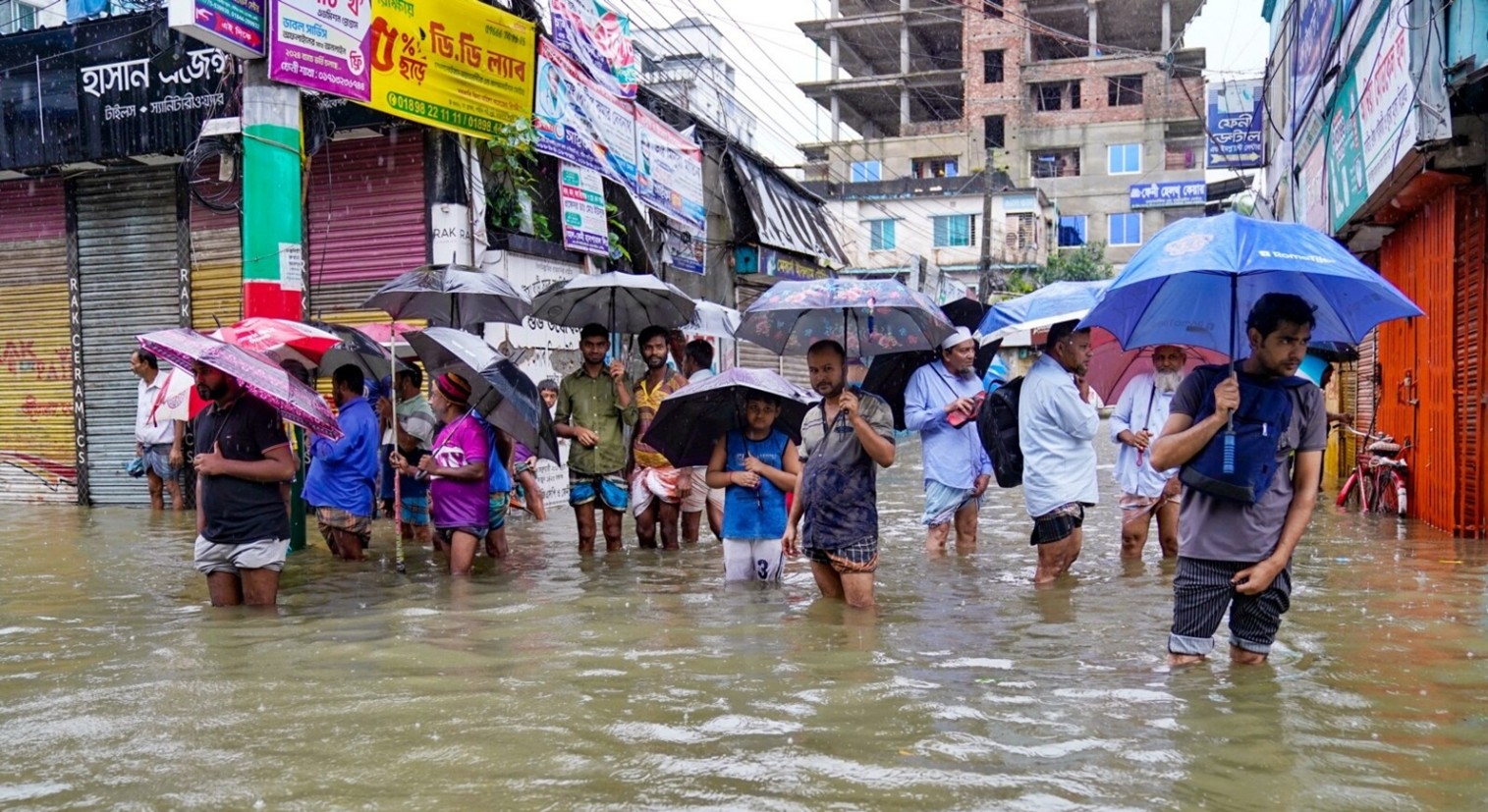
Evaluating the WASH Deficit Through Bangladesh's Urban Reality
Approaching the critical 2030 SDG deadline, a severe global WASH crisis persists. More than 2 billion people lack safe drinking water globally, heavily exacerbated by a massive 46% funding gap and fragmented institutional roles. Conversely, Bangladesh shows remarkable national progress, providing 48% of its total population with safe water and 84.6% with safe sanitation. However, profound urban disparities, severe climate threats, and persistent health risks remain. Targeted local interventions have successfully boosted safe water access to 98.93% in highly vulnerable Bangladeshi urban communities. Achieving universal access globally and protecting the remaining 15.4% of unserved Bangladeshis demands urgent climate-resilient strategies, closing financial deficits, and actively resolving overlapping governance issues.
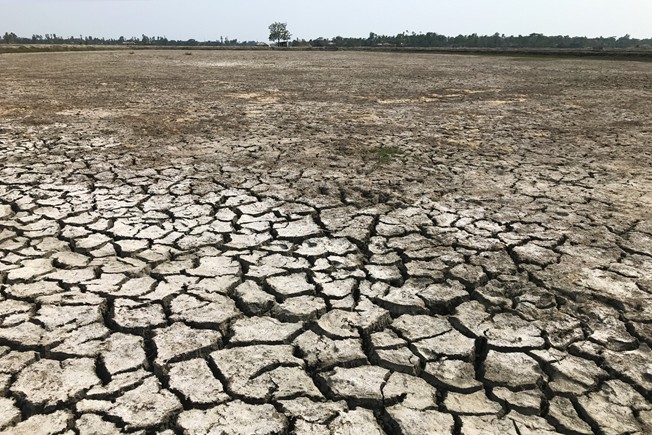
The Unseen Force Salinizing Bangladesh's Freshwater
Driven by climate change and groundwater over-extraction, saltwater intrusion is contaminating vital freshwater aquifers worldwide, causing massive disruptions like a 42% reduction in Gambian rice cultivation. Bangladesh faces particularly acute threats, with its salinity-affected land surging 26%—from 83.3 million to 105.6 million hectares—between 1973 and 2009. This crisis is rapidly spreading inland to regions like Jashore, where water salinity hit a dangerous 1,430 microsiemens in August 2021, vastly exceeding the 670 safe limit. This severe salinization poses significant health risks, especially to vulnerable pregnant women, and forces farmers to convert fertile paddy fields into brackish shrimp ponds. Furthermore, urban water security is severely threatened; Khulna will require 340 million liters daily by 2050 to combat growing deficits. Environmentally and economically, the crisis endangers the Sundarbans' valuable Sundari trees, threatens freshwater fish habitats, and is projected to inflate road maintenance costs by an astounding 252%.
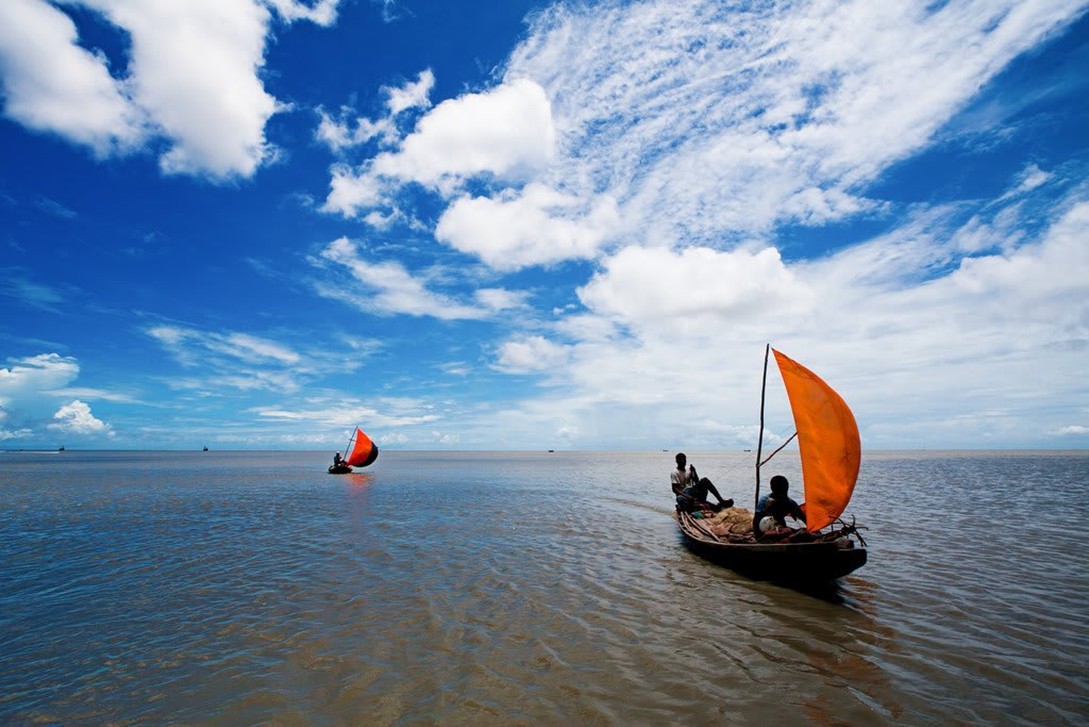
Transboundary Rivers Treaty: Crucial for Our Future
As the 30-year Ganges Water Sharing Treaty with India expires in 2026, Bangladesh faces a critical, existential crisis over transboundary river management. Although Bangladesh contains only 8% of the Ganges-Brahmaputra-Meghna basins, it supports 25% of its 600-million population. Dr. Md. Khalequzzaman states that the current treaty is severely flawed, noting that between 1997 and 2016, Bangladesh was deprived of its agreed water share 52% of the time, and 65% during critical guaranteed periods. Consequently, Dr. Khalequzzaman warns that this severe freshwater scarcity—exacerbated by over 300 upstream dams—caused a $3 billion economic loss, shrinking agricultural land by 50% and freshwater bodies by 38% between 2001 and 2014. To ensure future survival, Dr. Khalequzzaman thinks the new government must prioritize hydro-diplomacy. He urges Bangladesh to ratify the 1997 UN Convention and negotiate a comprehensive, basin-scale management compact involving all co-riparian nations to protect ecosystems, public health, and secure economic stability.
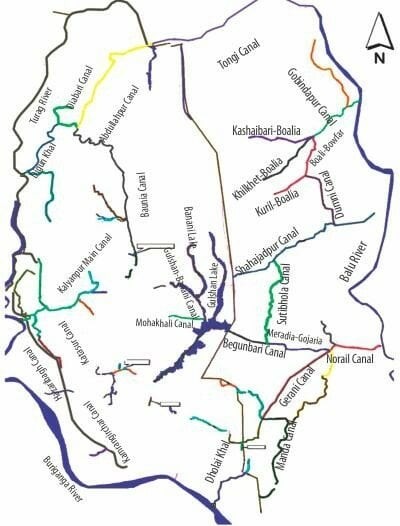
To Reap the Benefits of Canal Excavation, Attention Must be Paid to the Rivers
Ahead of upcoming elections, the BNP has promised to excavate 20,000 kilometers of canals to solve urban waterlogging. However, Dr. Nazrul Islam warns that merely digging isolated canals is insufficient without reconnecting them to rivers. He states that Bangladesh’s rivers face extreme seasonal flow variations, with 80% of rainfall occurring in four months and 93% of catchment areas located abroad. Furthermore, nearly one billion tons of silt enters the country annually. Consequently, Dr. Islam thinks that adopting an "open approach" to floodplains, abandoning restrictive embankments, and re-establishing "Self-reliant Village Governments" are essential institutional reforms making this massive excavation project successful.
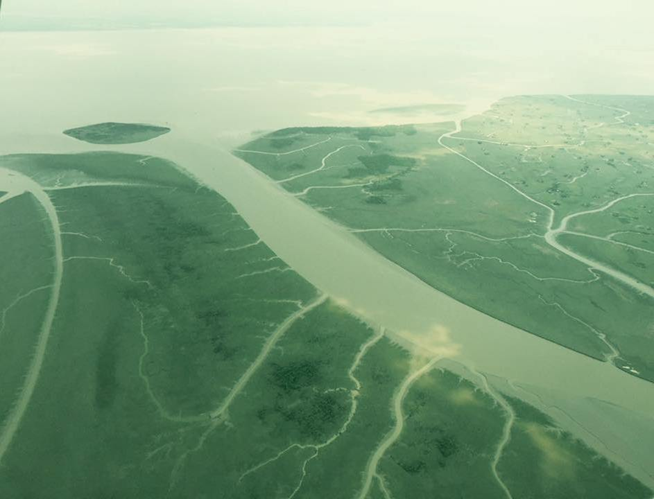
The Future of Bengal Delta
The Bengal Delta, the world's largest, was shaped over millions of years by tectonic shifts and massive river systems. Dr. Debadarshi Dipen Bhattacharya states that the Indian plate's collision with Eurasia 50 million years ago eventually formed the Himalayas, driving a watershed spanning 1.75 million square kilometers across five countries. This system delivers over one billion tonnes of sediment annually, leading to the emergence of the modern delta around 7,000 years ago. Currently, global sea levels are rising at over four millimeters per year and could exceed one meter by 2100. However, Dr. Bhattacharya notes that sedimentation in some areas exceeds two centimeters per year, double the local sea-level rise rate. To ensure the delta survives future climatic shifts, Dr. Bhattacharya thinks we must learn from geological history. He urges us to allow rivers to naturally flood and deposit sediment, rather than obstructing them, so the land can keep pace with rising seas.
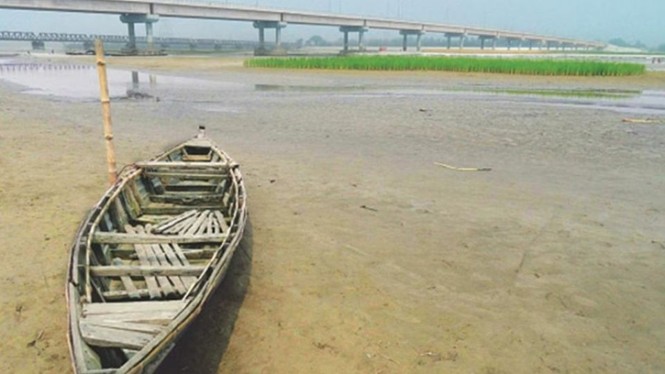
The Treaty That Climate Change Broke: Bangladesh’s Path To Water Survival
As the highly outdated 1996 Ganges Water Treaty rapidly nears its crucial 2027 expiration, Dr. Ahad Chowdhury warns it is entirely obsolete against modern climate realities, where atmospheric rivers now drive 73% of Ganga basin floods. He states that newly designed upstream dams now critically trap the essential 1.7 billion tons of vital sediment historically delivered to the delta region annually. Drawing stark parallels to the Mississippi Delta, which lost 1,900 square miles to sediment starvation, Dr. Chowdhury thinks Bangladesh faces a similarly inevitable ecological collapse. With recent 2024 floods causing 71 deaths, 1.2 billion dollars in damages, and affecting 5.8 million vulnerable people, he urges negotiating a comprehensive new basin-wide treaty featuring strictly enforceable sediment and climate adaptation mandates.
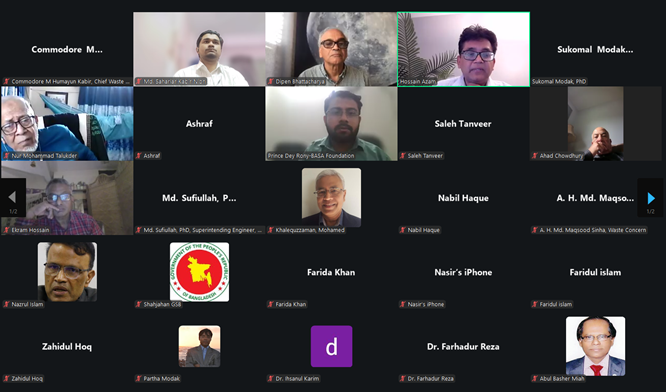
Experts Urge Circular Economy for Bangladesh's Waste Crisis
Bangladesh faces a severe environmental crisis, with urban waste projected to hit 118,000 tons daily by 2040. Currently, 24,000 tons are generated daily, but collection efficiency is only 45-55%. Despite 70% of waste being organic, formal recycling is just 3%. Experts at a recent BEN webinar urged a shift to a circular economy and strict enforcement of the 2021 Solid Waste Management Rules. Key recommendations include source segregation, converting transfer stations into recovery facilities, and utilizing "waste-to-energy" technologies. Panelists emphasized viewing waste as a resource, improving inter-ministerial coordination, and fostering a "behavioral revolution" through education to ensure national sustainability.
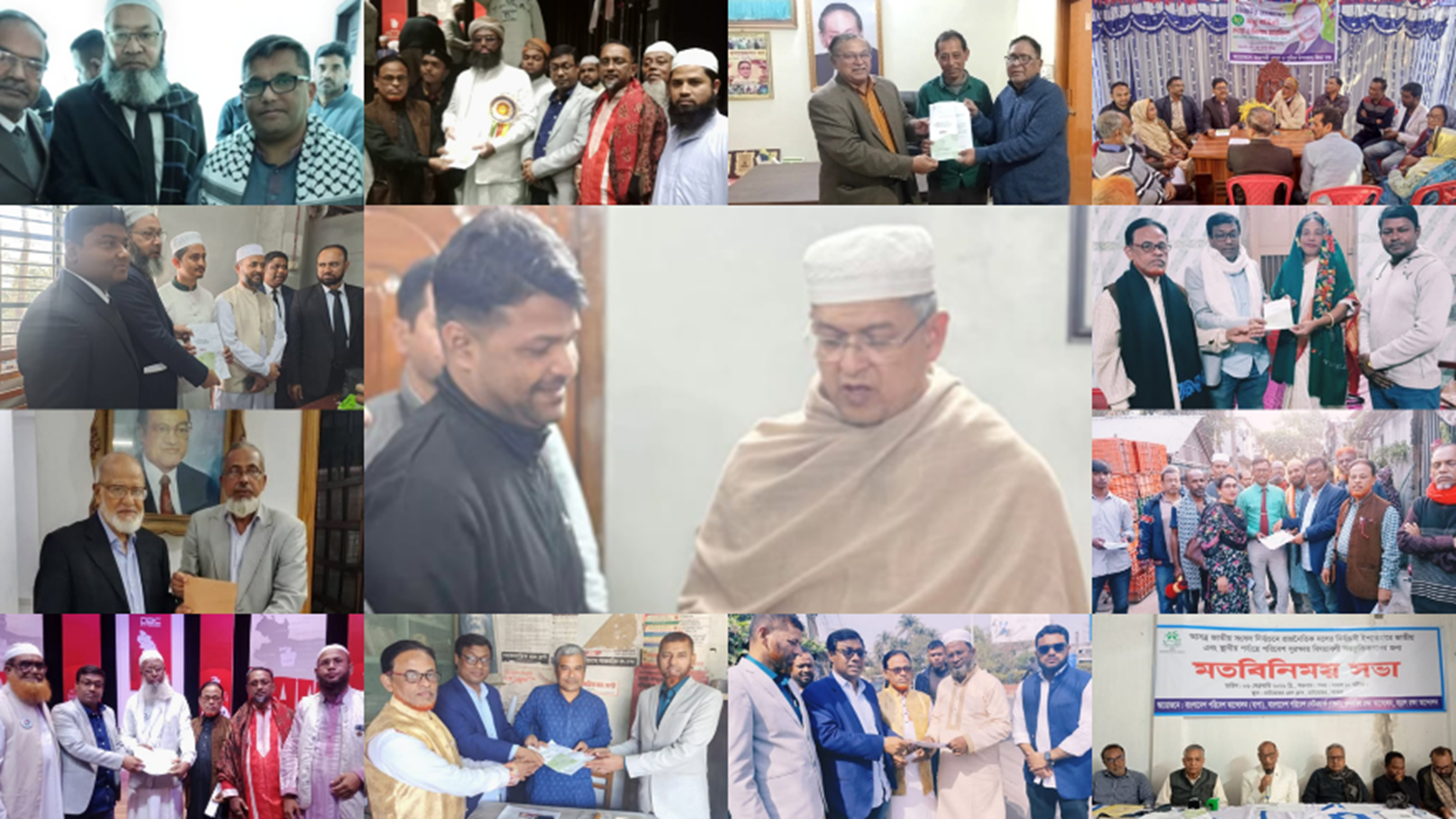
BAPA and BEN’s Nationwide Campaign Urging Political Parties to Prioritize Environment
Ahead of the national elections, Bangladesh Poribesh Andolon (BAPA) and the Bangladesh Environment Network (BEN) launched a nationwide campaign to integrate environmental protection into political manifestos. Delegations across several divisions engaged candidates from various parties, including BNP, Jamaat-e-Islami, Jatiya Party, CPB, and Ganosamhati Andolon. Key highlights include BAPA leader Prof. Matin Saikat briefing BNP’s Dr. Khandaker Mosharraf Hossain in Cumilla, and representatives meeting State Minister Salahuddin Ahmed in Cox's Bazar. Extensive outreach occurred in the Khulna region, covering 4 constituencies (Khulna-2, 3, 4, and 5) and involving over 10 candidates. In the Rajshahi and Northern divisions, branches in Rajshahi, Natore, Naogaon, and Panchagarh (including Sarjis Alam) presented memorandums to at least 9 high-profile candidates. Furthermore, activists in Mymensingh, Tangail, Narail, and Kishoreganj pressed for ecological commitments. Complementing these handovers, grassroots meetings, such as the one in Chatmohar focusing on the Boral River, underscored the urgent need for political accountability in safeguarding Bangladesh’s fragile water bodies and regional ecosystems.
BAPA Demands State Recognition for Sundarbans Day
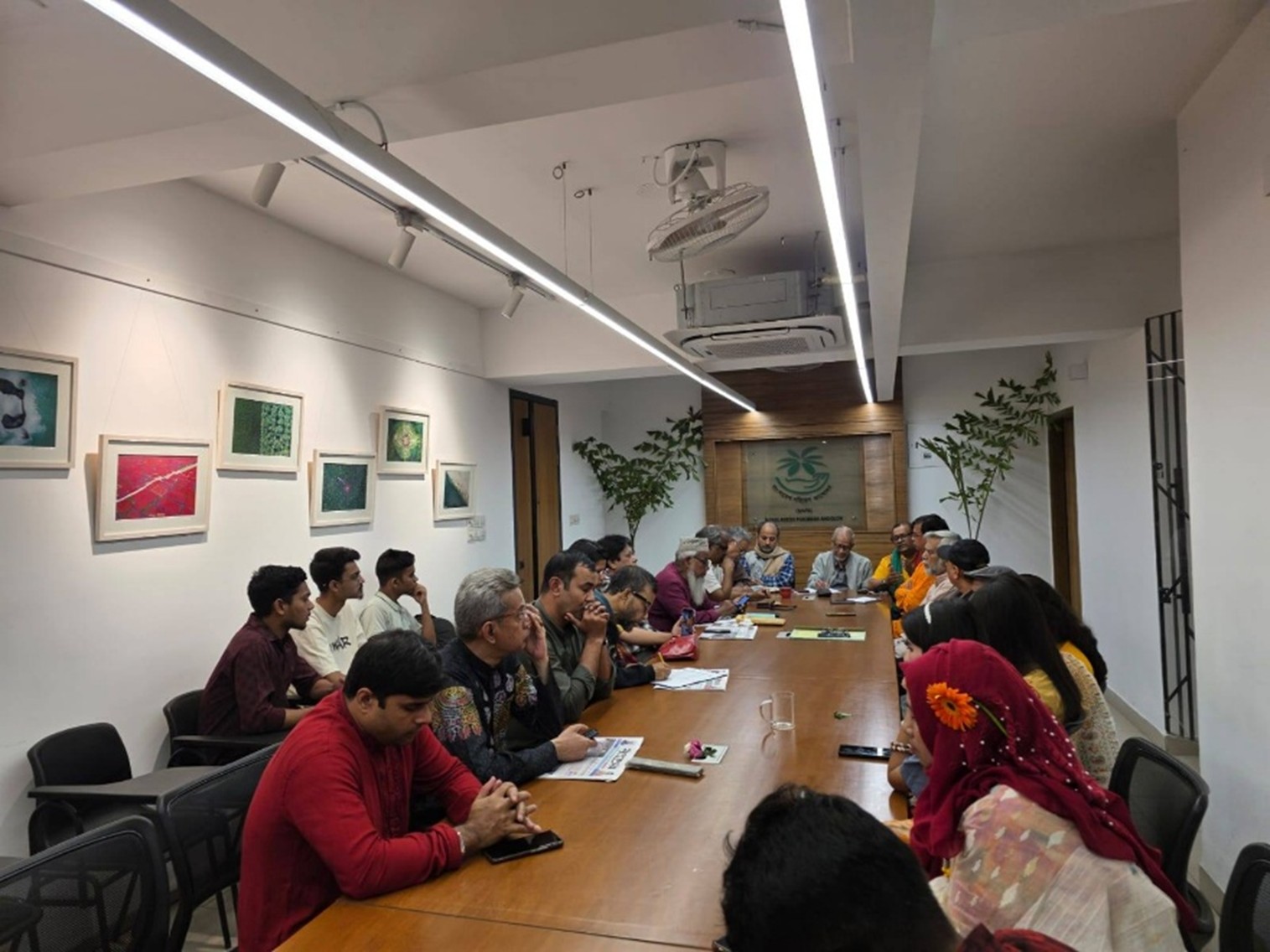
On February 14, 2026, BAPA held a "Sundarbans Day" meeting led by Prof. Nur Mohammad Talukder to demand urgent government action for the mangrove forest. Experts warned that non-eco-friendly tourism and rising salinity are devastating the ecosystem and local livelihoods. BAPA presented an 8-point charter of demands, calling for the official state recognition of February 14 as "National Sundarbans Day," ensuring upstream river flow, and declaring adjacent areas "Plastic-Free Impact Zones." The meeting urged the new government to adopt research-based solutions and create alternative livelihoods for forest-dependent communities through coordinated efforts involving experts and local populations.
15-Point Demand for Price Control and Safe Food During Ramadan
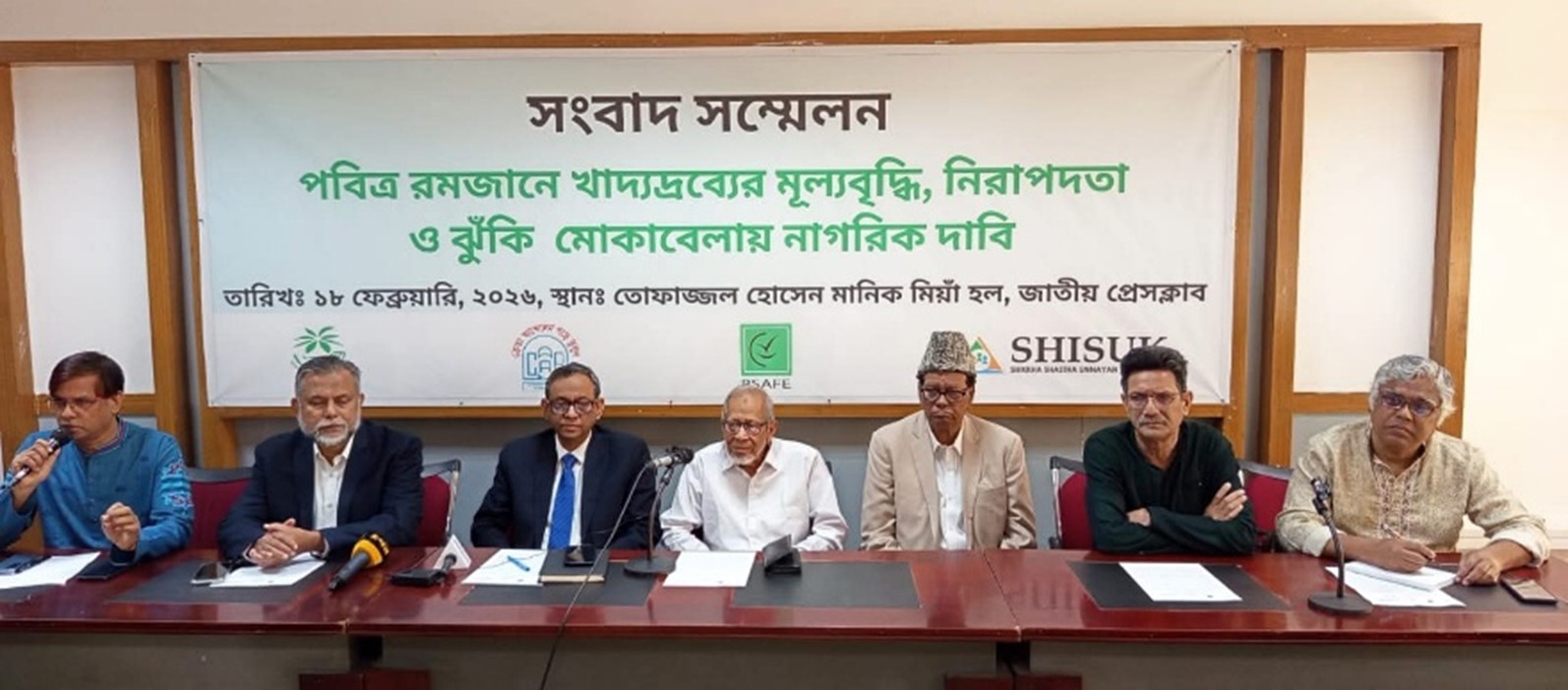
Ahead of Ramadan, BAPA, CAB, BSAFE, and SHISUK held a press conference on February 18, demanding a 15-point civic mandate for food safety and price control. Leaders, including Prof. Nur Mohammad Talukder, urged the government to dismantle market syndicates and strictly enforce the Safe Food Act 2013. Key demands involve coordinating 22 ministries, establishing "Safe Farmer's Markets," and banning chemically ripened fruits. They advocated for "Safe Food" seals, mobile courts for exemplary punishment, and transitioning from hazardous pesticides to ensure the supply of nutritional, adulteration-free food. Additionally, the coalition called for a single-window digital licensing portal, a special research fund, and mandatory compliance with health guidelines for Iftar preparation to protect consumers from artificial crises and toxic additives during the holy month.
© 2026 Bangladesh Environment Network
