
Environment Newsletter
Are Atmospheric Mood Swings the New Normal for Bangladesh's Climate Future?
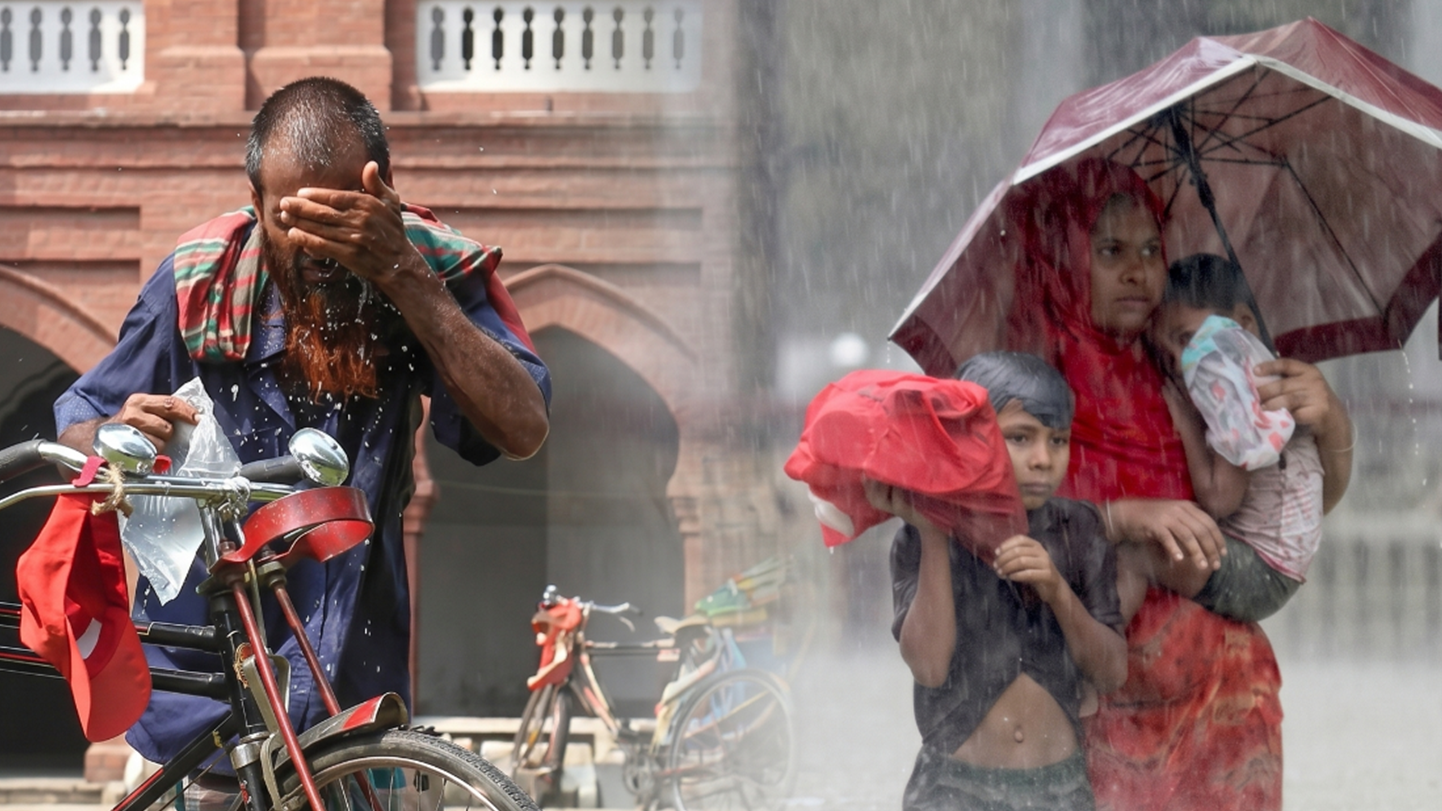
Recent meteorological observations in Bangladesh reveal a profound atmospheric destabilization, characterized by a rapid oscillation between severe thermal escalations and unprecedented precipitation volumes. This period saw temperatures peaking at 40°C across 27 districts, followed immediately by a synoptic shift that triggered rainfall 75.7% above historical norms. The resulting hydrological stress was most acute in the Sylhet division, where 603 mm of rainfall led to riverine systems exceeding danger thresholds and widespread flash flooding. These events serve as empirical validation for CMIP6 climate models, which project heightened volatility and an increase in extreme weather frequency despite long-term drying trends. The transition from intense heatwaves to deluge conditions within a single timeframe exemplifies the accelerating dynamics of global climate change in South Asia. Addressing this transition from theoretical projection to observational reality necessitates a robust recalibration of regional environmental policies and localized adaptation strategies to mitigate the dual threats of thermal stress and rapid-onset inundation.

Pre-Monsoon Flash Floods Exposed Severe Agricultural Vulnerabilities in the Haor Basin
In April 2026, Northeastern Bangladesh experienced catastrophic flash flooding driven by extreme pre-monsoon precipitation and low-pressure systems over the Bay of Bengal. This meteorological instability triggered excessive runoff in the Surma and Kushiyara catchments, causing river levels to surpass critical danger marks. The resulting hydrological shift primarily devastated the Boro rice crop, a cornerstone of national food security, with over 30,000 hectares submerged in the Sylhet region alone. Economic losses in Sunamganj and Kishoreganj were estimated at 5 billion Taka, as labor shortages and persistent cloud cover impeded emergency harvesting efforts. The crisis was exacerbated by environmental degradation, where the removal of indigenous swamp forests and reed lands diminished natural water retention and increased runoff velocity. Furthermore, the structural failure of submersible embankments highlighted significant anthropogenic infrastructure vulnerabilities. Establishing long-term resilience requires a multi-faceted approach, integrating the conservation of native wetland vegetation.

Global Food Security Crisis and Impacts on Bangladesh
The 2026 Global Report on Food Crises details a critical shift from temporary emergencies to a persistent structural challenge, with 266 million people across 47 countries facing high acute food insecurity. This crisis is fueled by a volatile convergence of protracted conflict, climate extremes, and economic instability. Notably, 2025 marked the first historical instance of simultaneous famines in Gaza and Sudan. While some regions, like Bangladesh, showed marginal year-over-year improvements due to favorable remittances, approximately 16 million Bangladeshis remain acutely food-insecure, highlighting deep-seated issues of affordability and household access rather than national availability. Compounding these challenges is a significant contraction in global humanitarian funding, which dropped by 39 percent in 2025. This financial retreat, alongside deteriorating data collection, hampers effective intervention. Addressing this crisis—particularly in contexts like the protracted Rohingya refugee situation—requires moving beyond localized aid toward integrated social protection systems, robust supply chains, and climate resilience planning to mitigate future macroeconomic shocks.
International Noise Awareness Day Observed by BAPA
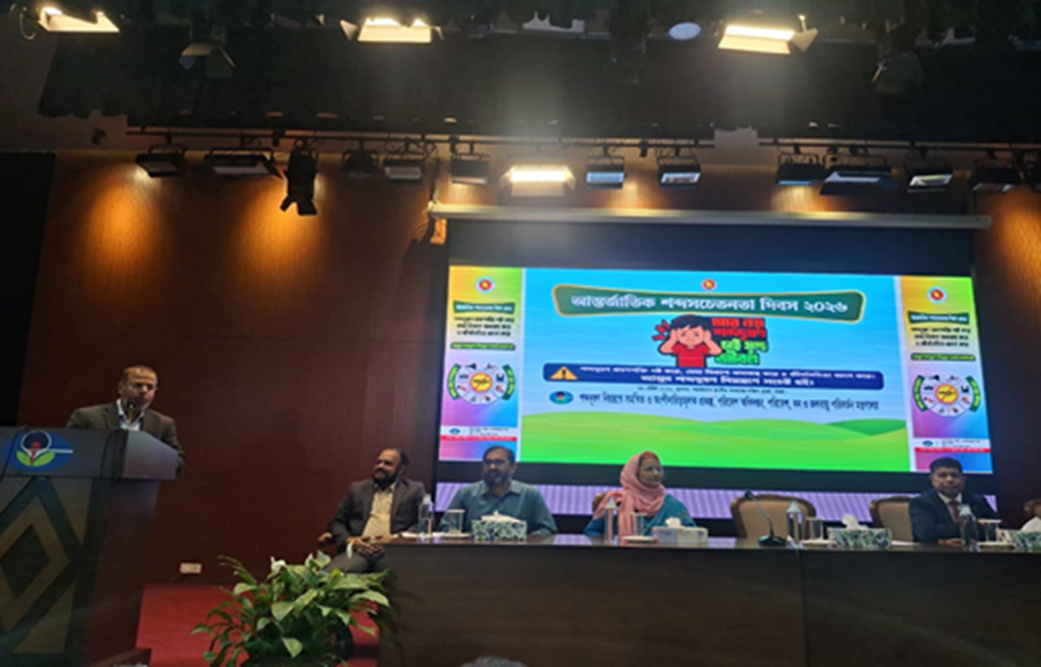
Under the theme "No more noise pollution, we want a healthy life," International Noise Awareness Day 2026 was observed nationwide on April 29 to highlight the silent but severe health risks of noise pollution. The Department of Environment (DoE), in collaboration with BAPA and 18 other organizations, organized simultaneous programs across all 64 districts, including discussion meetings, rallies, and mobile courts. At a central event in Dhaka, Honorable Minister of State Dr. Sheikh Faridul Islam emphasized that while noise pollution is invisible, its harmful effects are profound, urging for increased social media awareness. Alongside these efforts, strict legal enforcement was prioritized; the DMP reported filing 17,000 cases and collecting nearly Tk 2 crore in fines under Noise Pollution Control Rules. To further educate the public, the DoE utilized banners, festoons, and national newspaper advertisements, marking a comprehensive effort to foster a quieter, healthier environment through both participatory projects and rigorous judicial action.
BEN Bi-monthly Webinar on Earthquake Risk in Bangladesh
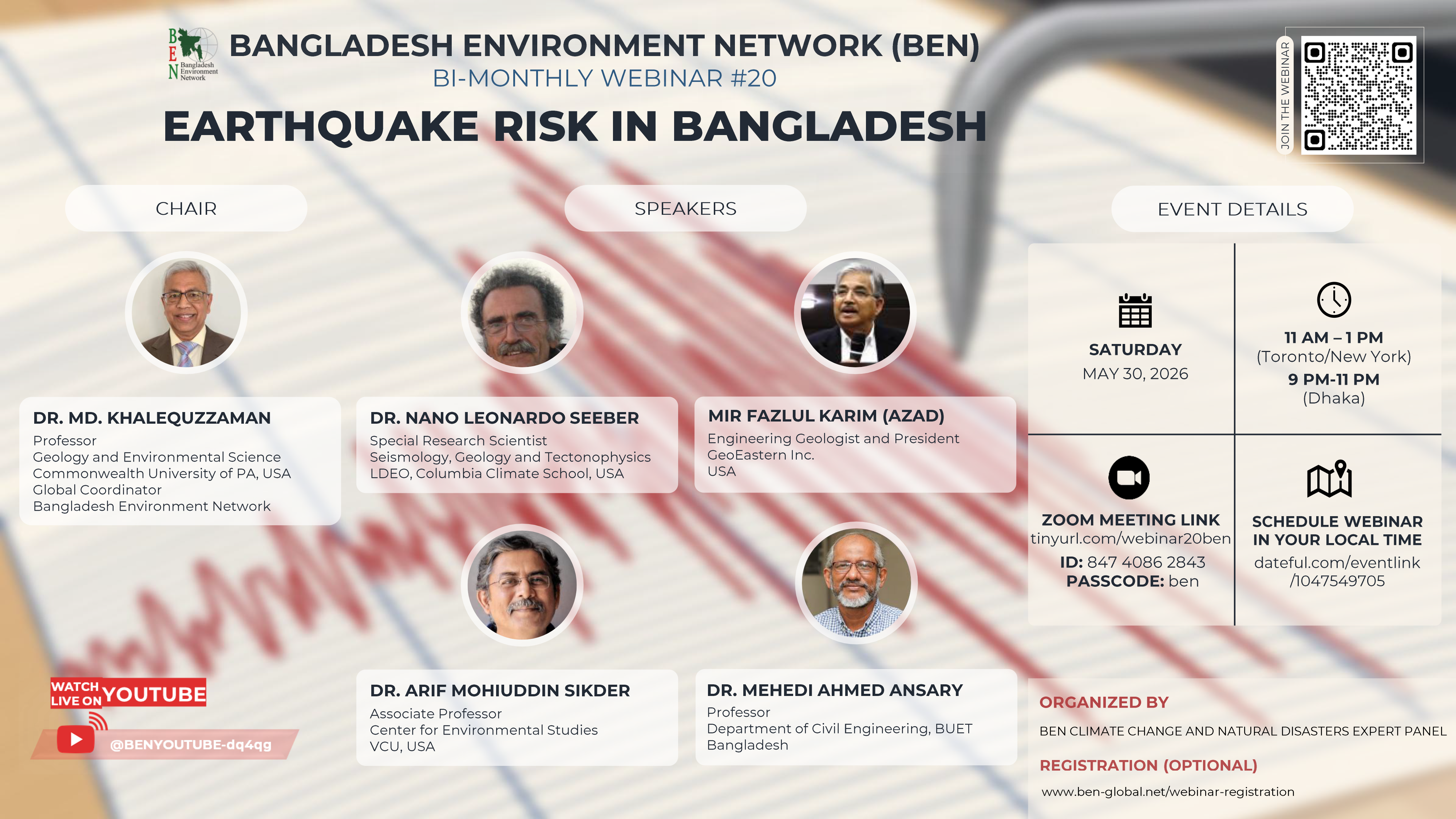
On Saturday, May 30, 2026, BEN will host a bimonthly webinar titled "Earthquake Risk in Bangladesh." Chaired by Dr. Md. Khalequzzaman, the event features global experts, including Dr. Nano Seeber and BUET’s Dr. Mehedi Ahmed Ansary, discussing megathrust threats and Dhaka’s infrastructure vulnerabilities. This collaborative session aims to foster disaster resilience through expert presentations and an interactive Q&A, focusing on critical seismic preparedness strategies.

Rapid Development of a Strong El Niño System Poses Severe Climate and Agricultural Risks in Bangladesh
A powerful El Niño is emerging, threatening Bangladesh with historic heatwaves and suppressed monsoons through 2026. Experts predict temperatures reaching 44°C, exacerbated by heat domes and a lack of pre-monsoon rains. This atmospheric shift disrupts moisture flow, signaling prolonged droughts and severe agricultural risks. With monsoon precipitation significantly weakened, the region faces imminent crop failures and food insecurity, mirroring the catastrophic climate patterns of 1998.

Technical and Economic Impact of The Rooppur Nuclear Power Plant
Bangladesh has entered a transformative energy era with the commencement of uranium fuel loading at the Rooppur Nuclear Power Plant on April 28, 2026. Utilizing dual Russian VVER-1200 reactors, the facility aims to contribute 2,400 megawatts to the national grid, though technical milestones and phased testing will continue through late 2027. While promising long-term energy security and reduced fossil fuel reliance, the project has faced significant economic headwinds; geopolitical delays and currency depreciation have inflated costs to 1.39 trillion taka, incurring substantial daily interest penalties. Beyond financial concerns, integrating such a massive baseload source poses critical challenges for grid stability and transmission infrastructure. Furthermore, while the plant incorporates advanced passive safety systems, the IAEA has emphasized the need for a more robust domestic safety culture.

BEN to Celebrate 28th Anniversary in New York
BEN cordially invites the entire community to its 28th Anniversary Celebration on July 18th. This significant milestone event will be hosted at the Jewish Center in Jamaica, New York, with festivities scheduled from 3:00 PM to 9:00 PM. A major highlight of the evening will be a special, heartfelt tribute honoring the lifetime contributions and dedication of Dr. Nazrul Islam, the visionary founder of BEN. This celebratory gathering serves as a profound recognition of his lasting impact, beautifully celebrating both his remarkable legacy and the organization’s continuous, inspiring journey today.
BAPA Celebration of World Earth Day
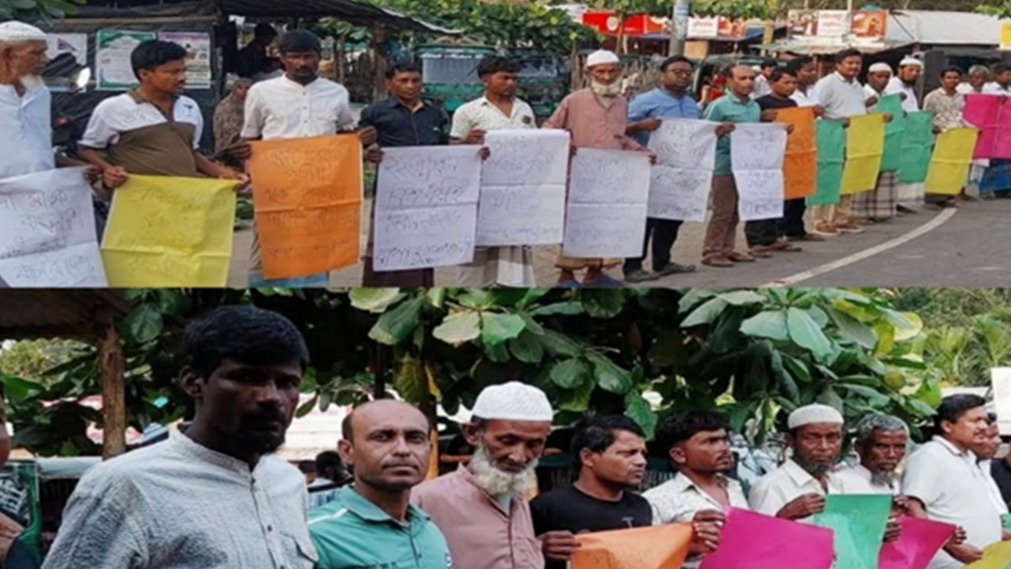
The Moheshkhali regional branch of the Bangladesh Environmental Movement (BAPA) observed World Earth Day on Wednesday, April 22, at the Afzaliapara CNG Station. Presided over by Alhaj Maulana Md. Shahab Uddin and moderated by Abu Bakkar Siddique, the event featured various slogans to promote environmental protection. Key speakers, including local BAPA members, fishermen’s society leaders, and activists, joined citizens from all walks of life to advocate for urgent climate change prevention.
